
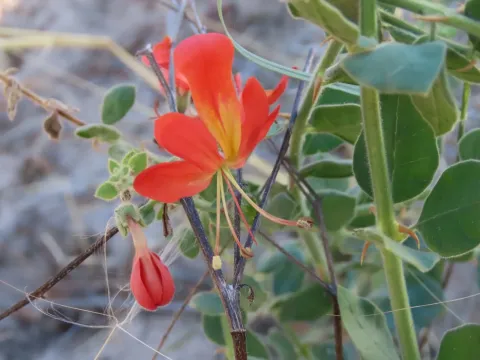
Clerodendrum uncinatum
Clerodendrum uncinatum
Clerodendrum uncinatum belongs to the Lamiaceae family and is recognized for its unique botanical features and growth patterns. It originates from tropical habitats, requiring a controlled environment that mimics its natural ecosystem.
What the section contains
Clerodendrum uncinatum
The optimal temperature for this species remains between 20°C and 28°C throughout the year. Protecting the plant from sudden thermal shifts and cold drafts is critical for maintaining its health and physiological stability.
Soil quality is paramount for successful cultivation. A well-draining, nutrient-rich substrate with a neutral to slightly acidic pH is required to support the extensive root network and prevent waterlogging.
Clerodendrum uncinatum thrives in bright, indirect sunlight. Exposure to direct harsh sun during summer months can damage the leaf cuticles, while insufficient light leads to stunted growth and loss of foliage vitality.
High humidity levels, ideally above 70%, are necessary for the plant to thrive. Frequent misting or the use of automated humidification systems is recommended to maintain the required atmospheric moisture level.
Spider mites are the most common pest observed in indoor cultivation environments. These arachnids thrive in dry air and can cause significant damage to the leaf tissue by draining cell sap.
Mealybugs can also infest the stems and leaf axils, creating white cottony clusters that weaken the plant. Manual removal combined with systemic insecticidal treatments is usually necessary for eradication.
Root rot, often caused by Phytophthora species in waterlogged soil, is a primary threat to the longevity of the plant. Ensuring excellent drainage and avoiding overwatering are the best preventative strategies.
Fungal infections, such as leaf spot, may occur when stagnant air and high humidity are present. Maintaining proper air circulation is essential to inhibit the spread of fungal spores across the foliage.
Regular inspection of the plant is vital to detect signs of infestation early. Timely application of appropriate pesticides and maintenance of optimal growth conditions significantly reduce the risk of crop failure.