
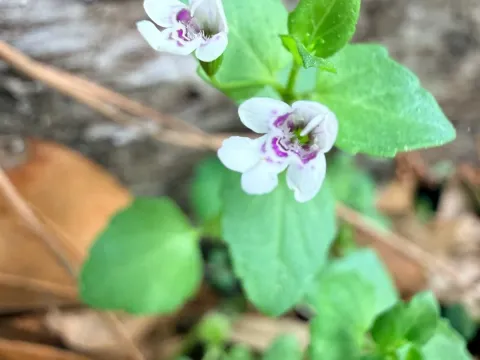
Clinopodium brownei
Clinopodium brownei
Sowing Clinopodium brownei is best done in the spring once the soil temperature is stable and frost risks have completely subsided for the season.
What the section contains
Clinopodium brownei
The seeds should be sown on the surface of the growing medium as they are tiny and require light to stimulate the germination process successfully.
Using a greenhouse or indoor seed trays for initial germination can significantly improve the success rate compared to direct sowing in the field.
Propagation through cuttings is a popular and efficient method, allowing for faster establishment of new plantings with consistent genetic characteristics.
Proper spacing is crucial; maintaining at least 30 centimeters between individual plants ensures healthy aeration and prevents the development of diseases.
As a member of the Lamiaceae family, this herb thrives in consistently moist, well-drained soils rich in organic matter and nutrients.
The plant prefers partial shade environments, although it can adapt to sunny spots if soil moisture levels are managed with diligent irrigation.
A soil pH ranging between 6.0 and 7.5 is ideal for ensuring optimal nutrient uptake and robust growth throughout the entire vegetation period.
Regular mulching is recommended to retain soil moisture and suppress weed growth, which is essential for the health of this low-growing herb.
The plant is sensitive to temperature extremes, requiring protection or indoor transfer in colder climates where temperatures drop below freezing.
Powdery mildew represents a significant threat during periods of high humidity and poor ventilation, often affecting the foliage quality directly.
Root rot occurs if the soil becomes waterlogged, necessitating careful monitoring of drainage and avoiding over-watering during the plant's dormant cycle.
Pests such as spider mites and aphids are common intruders that thrive in the warm, dry conditions often associated with summer months.
Slugs and snails can cause substantial damage to tender young shoots, requiring effective pest management strategies to protect the crop during the spring.
Preventative practices such as thinning the canopy and maintaining adequate spacing are the most effective ways to mitigate disease outbreaks.
Harvesting should occur during the full bloom phase, which is when the essential oil content in the leaves is at its highest concentration.
Utilize sharp scissors or pruners to harvest the upper portions of the stems, ensuring the plant retains enough foliage for continued growth.
Drying the harvested material in a shaded, well-ventilated location helps preserve the delicate aromatic compounds and prevents unwanted oxidation.
Properly dried and cured leaves should be stored in opaque, airtight containers away from heat to maintain their quality for long-term use.
With correct maintenance and timely harvesting, multiple yields can be achieved within a single growing season from the same planting site.