
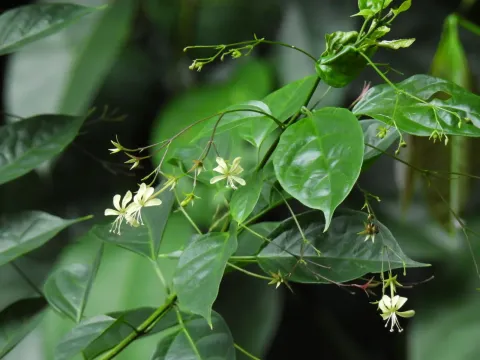
Clerodendrum wallichii
Clerodendrum wallichii
Clerodendrum wallichii is a striking evergreen shrub belonging to the Lamiaceae family. Native to the tropical regions of the Himalayas and Southeast Asia, it is highly regarded for its long, pendulous white flower clusters that create a dramatic cascading effect.
What the section contains
Clerodendrum wallichii
In terms of light requirements, this plant thrives in bright, indirect sunlight. Exposure to harsh, direct midday sun often results in scorching of the foliage, so placing the plant near an east or west-facing window is generally recommended for optimal growth.
The soil must be well-draining, rich in organic matter, and slightly acidic. A mixture of peat, perlite, and high-quality potting soil works best to ensure that the root zone receives adequate oxygen while retaining necessary moisture levels.
Cultivation practices involve maintaining a warm environment with temperatures ideally ranging between 20°C and 25°C. The plant dislikes cold drafts and sudden temperature fluctuations, which can trigger leaf drop and stunt the development of flower buds.
Humidity is critical for Clerodendrum wallichii; it prefers a moist atmosphere. Regularly misting the foliage or placing the container on a tray filled with pebbles and water helps simulate its native tropical forest conditions throughout the year.
Spider mites are the most common pests encountered when growing this species, especially in environments where the air is dry or stagnant. They feed on cell sap, causing the foliage to appear mottled and dusty.
Whiteflies can also cause significant damage by colonizing the underside of the leaves. These pests excrete honeydew, which may lead to the development of sooty mold, further compromising the plant's health and aesthetic appeal.
Root rot remains the most serious disease risk for the crop, typically triggered by overwatering or poor drainage. Once the roots are compromised, the plant struggles to uptake nutrients, leading to rapid yellowing of the leaves.
To mitigate these threats, it is essential to ensure that the potting container has sufficient drainage holes and that the soil is allowed to dry slightly between waterings. Removing fallen foliage from the soil surface prevents fungal spores from settling.
Routine maintenance includes systematic inspection for early signs of infestation. Applying neem oil or insecticidal soap is often effective for minor pest issues, while stronger systemic insecticides may be necessary for severe infestations.