
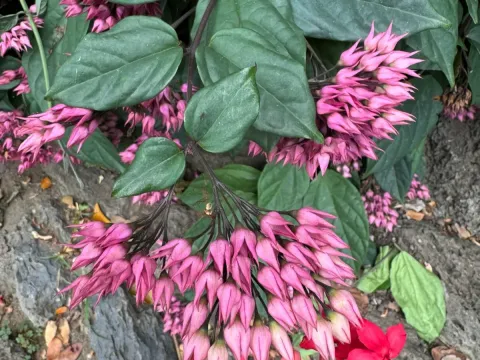
Clerodendrum speciosum
Clerodendrum speciosum
Clerodendrum speciosum, commonly known as the Red Bleeding Heart, is a perennial flowering shrub belonging to the Lamiaceae family. It is native to tropical regions of Africa and Asia, where it thrives in warm and humid environments, making it a popular choice for conservatories and indoor gardens.
What the section contains
Clerodendrum speciosum
The plant requires a stable temperature range between 20°C and 25°C for optimal growth. It is highly sensitive to sudden cold snaps and drafts, which can cause significant physiological stress and lead to leaf drop, impacting the overall health and vigor of the specimen.
For best results, grow this plant in a rich, well-draining soil mix with a slightly acidic to neutral pH level. Providing a consistent moisture supply is essential, but it is critical to prevent waterlogging, as the root system is highly prone to fungal rot if left in saturated conditions.
This crop thrives under bright, filtered light. While it loves sunshine, direct exposure to intense afternoon rays can scorch the leaves. Proper placement, such as an east-facing or west-facing window, provides the light intensity needed for blooming without the risk of thermal damage.
Fertilization is a key component of the cultivation process during the growing season. A balanced liquid fertilizer applied every two weeks supports both vegetative growth and the development of its characteristic, striking flower clusters that define the aesthetic value of the plant.
Common pests that affect this species include spider mites and whiteflies, especially when humidity levels drop too low. These pests colonize the undersides of leaves and can weaken the plant by extracting essential sap, requiring prompt intervention with insecticidal soaps or oils.
Root rot is a major threat caused by overwatering or poor drainage systems. Signs of this issue include wilting of the foliage despite moist soil and the yellowing of leaf edges, necessitating immediate reduction of water and potential repotting into fresh medium.
Powdery mildew is a fungal disease that can occur in conditions with poor air circulation and stagnant air. Keeping the plant in a well-ventilated area and avoiding getting water on the foliage during irrigation helps to minimize the risk of infection.
Scale insects can also be a challenge, appearing as small, brownish bumps on stems and veins. Manual removal followed by treatment with systemic pesticides is often necessary to prevent an infestation from spreading to other nearby agricultural or ornamental crops.
Monitoring the plant for early signs of stress is vital. Routine cleaning of the leaves helps not only to improve photosynthesis but also allows for the early detection of any emerging pest or disease, facilitating easier and more effective management strategies.