
Clerodendrum speciosissimum
Clerodendrum speciosissimum
Description
Growing requirements
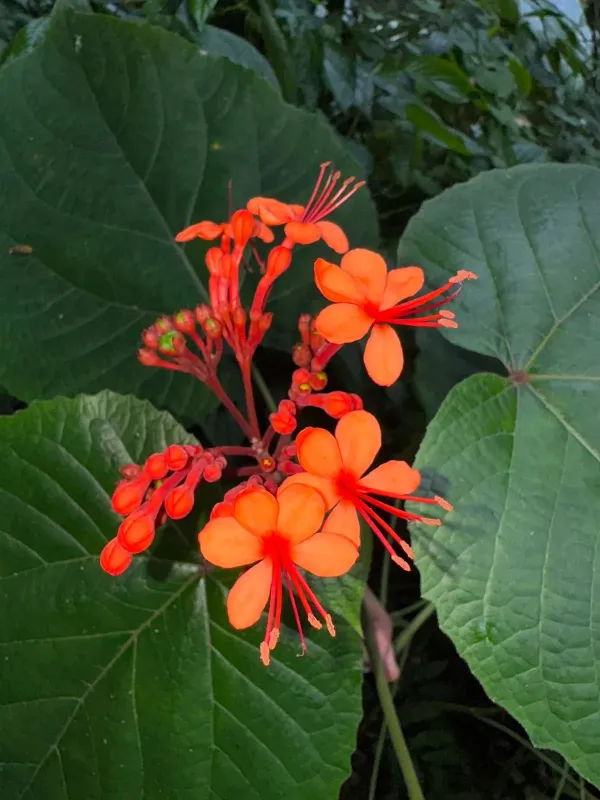
Clerodendrum speciosissimum, commonly known as the Javan glorybower, is a flowering shrub belonging to the Lamiaceae family. Native to the tropical regions of Southeast Asia, it is prized for its large, heart-shaped leaves and vivid scarlet inflorescences.
The crop requires a warm climate with temperatures maintained between 20°C and 25°C. Exposure to temperatures below 15°C can result in stunted growth and leaf drop, making it unsuitable for outdoor cultivation in temperate regions.
Soil requirements include a rich, well-draining organic medium with a slightly acidic to neutral pH. Proper drainage is essential to prevent waterlogging, which is a major factor contributing to the decline of the root system in potted specimens.
The plant thrives under bright, filtered sunlight. While it requires significant light to initiate flowering, intense midday sun exposure can scorch the foliage, necessitating partial shade during the peak of summer.
Agricultural management requires consistent irrigation and high humidity levels. Fertilization should be focused during the active growing season, utilizing balanced NPK formulas to support the development of its ornamental flower clusters.
Main diseases and pests
Major pests affecting this crop include spider mites, scale insects, and mealybugs. These pests thrive in dry environments and can quickly infest plants if humidity is not strictly regulated.
Fungal diseases, such as root rot and leaf spot, are the most common phytopathological threats. These issues are almost exclusively linked to poor cultural practices, such as overwatering or inadequate soil aeration.
Pest control strategies involve the use of contact and systemic insecticides. In a professional greenhouse setting, biological controls or integrated pest management (IPM) practices are preferred to reduce chemical reliance.
The primary use of Clerodendrum speciosissimum is in ornamental horticulture. It is frequently employed in conservatory displays, botanic gardens, and as a high-end interior decorative plant in suitable climates.
Regular pruning is a vital part of the crop management. By thinning out the canopy and shortening leggy stems, the grower promotes a compact growth habit and increases the density of terminal flowering spikes for better aesthetic quality.