
Clinopodium acinos
Clinopodium acinos
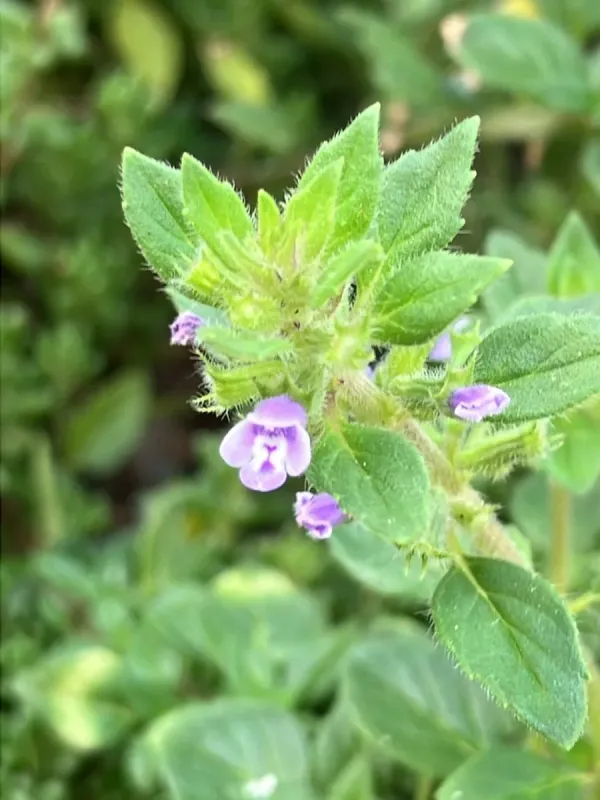
Description
Sowing dates
Clinopodium acinos, a member of the Lamiaceae family, is a valuable aromatic herb often cultivated for its medicinal properties and essential oil content. Sowing is typically performed in early spring once the soil temperature is stable for germination.
The seeds of this crop are exceptionally small, requiring a very shallow sowing depth. It is recommended to mix the seeds with sand or fine compost to ensure an even distribution across the field and prevent overseeding in specific spots.
Soil moisture must be strictly controlled during the germination phase. Since the seeds are delicate, even a slight surface drying can halt the development of the seedlings, which are particularly vulnerable in the first few weeks.
The row spacing is typically set between 30 to 45 centimeters to allow for efficient weeding and soil aeration. Given the slow initial growth rate of the plant, managing competitive weeds during the first month is critical for success.
For large-scale cultivation, precision seeding equipment is preferred to maintain optimal density. Ensuring a consistent stand density helps in uniform development and simplifies the mechanical harvest process later in the season.
Growing requirements
Clinopodium acinos thrives in sunny, open locations. Sufficient sunlight is essential to stimulate the production of essential oils, which defines the economic value of the crop. Shade will result in sparse growth and low potency.
The plant performs best in light, well-drained soils, preferably sandy or loamy textures. High moisture retention in the soil is detrimental, as the crop is highly susceptible to root diseases if left in waterlogged conditions.
Climatic requirements include moderate temperatures and good ventilation. The plant is hardy and well-adapted to temperate zones, tolerating variable conditions, but it strictly requires excellent drainage to survive winter periods.
Fertilization should be moderate, focusing on phosphorus and potassium to encourage robust stem structure and aromatic development. Excessive nitrogen is discouraged as it promotes overly lush green mass at the expense of oil quality.
Regular maintenance of the soil structure via light hoeing between the rows is recommended. This practice improves oxygen penetration to the root zone and effectively suppresses early-stage weed growth that could stifle the herbs.
Yield
The harvest phase is determined by the flowering stage, as the concentration of secondary metabolites is highest when the plant is in full bloom. Harvesting too early or too late will significantly impact the chemical profile of the oil.
Mechanical harvesting using specialized equipment is standard for industrial-scale production. It is crucial to set the cutting height to leave enough foliage at the base, which allows the plant to recover and potentially produce a secondary growth.
Post-harvest processing involves rapid transport to drying facilities to prevent heat buildup and fermentation. Controlled temperature drying, ideally below 40 degrees Celsius, is vital to preserve the volatile compounds in the leaves.
Total yield per hectare is heavily dependent on management practices and soil conditions. Consistent moisture availability during the growing phase can significantly boost the biomass yield without compromising the quality of the harvest.
Proper storage is the final step in securing the yield quality. The dried herb should be packed in breathable, moisture-resistant materials and stored in cool, dark environments to maintain its aromatic potency for commercial use.
Main diseases and pests
Fungal diseases, particularly powdery mildew, are the most common threats to Clinopodium acinos. These pathogens thrive in high-humidity environments, necessitating good airflow within the crop canopy to minimize the risk of infection.
Root rot is a persistent problem in poorly drained soils. Once an infection takes hold, it can spread rapidly across a field, leading to plant wilting and significant harvest losses, making soil selection the primary defense.
Pests such as aphids are frequently observed on the crop, as they feed on the tender young tissues of the plant. If left unchecked, they can cause stunted growth and significantly decrease the overall health and vigor of the plants.
Nematode infestations can damage the root systems, causing a gradual decline in productivity that is often difficult to diagnose until the damage is severe. Using clean, pathogen-free seeds is the most effective preventative measure.
Integrated pest management strategies, including crop rotation and the use of bio-pesticides, are highly recommended. Avoiding broad-spectrum chemicals ensures the crop remains suitable for medicinal and pharmaceutical applications.