
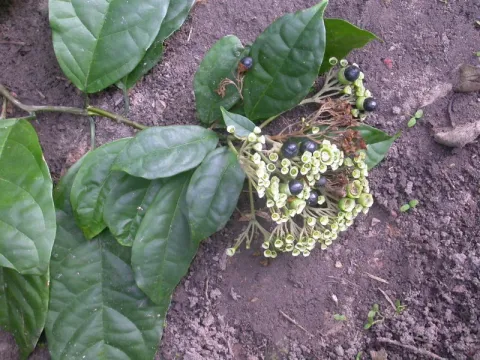
Clerodendrum volubile
Clerodendrum volubile
Clerodendrum volubile is an evergreen climbing shrub belonging to the Lamiaceae family. It is native to the tropical regions of West and Central Africa, where it thrives in the humid environment of forest edges and secondary vegetation.
What the section contains
Clerodendrum volubile
This species requires a stable tropical climate with temperatures consistently above +20°C. Cold drafts and sudden temperature fluctuations can lead to leaf drop and stunted growth, making it unsuitable for outdoor cultivation in temperate regions.
Soil requirements involve a rich, organic-based medium with excellent drainage properties. A slightly acidic to neutral pH balance is preferred to ensure optimal nutrient uptake and to prevent mineral toxicity that may occur in alkaline soils.
Bright, indirect light is essential for the healthy development of this climber. While it can tolerate some shade, adequate sunlight exposure is directly correlated with the intensity of flowering and the density of the foliage.
Maintaining high humidity levels is crucial for this plant's physiological health. Regular misting or the use of automated humidification systems is necessary, especially in greenhouse environments where heating can lead to dry air.
Spider mites are the most persistent pest in controlled environments, especially when air humidity is low. They thrive on the undersides of leaves, leading to chlorosis and eventual necrosis of the leaf tissue if left untreated.
Fungal infections, such as root rot and leaf spot, are common when soil moisture management is neglected. Overwatering leads to oxygen deprivation in the root zone, creating ideal conditions for pathogenic fungi to proliferate.
Whiteflies can also cause significant damage by feeding on plant sap and depositing sticky honeydew. This substance promotes the growth of sooty mold, which interferes with photosynthesis and affects the plant's aesthetic value.
Effective disease control involves strict sanitation practices, including the sterilization of tools and the removal of infected plant debris. Implementing a proactive monitoring program allows for the early detection of pest outbreaks.
Nutrient deficiency, particularly nitrogen and magnesium, can mirror symptoms of pest damage. Ensuring a balanced fertilization program is essential to maintain plant vigor and natural resistance against various biotic threats.