
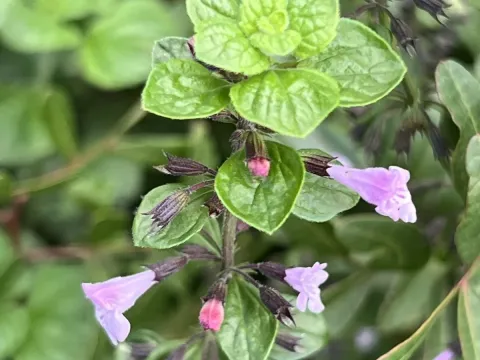
Clinopodium
Clinopodium L.
Clinopodium is best propagated via seeds sown in early spring as soon as the soil is workable. Given the tiny size of the seeds, they should be surface-sown or covered with a very light layer of soil to ensure sufficient light for germination.
What the section contains

Clinopodium
For large-scale cultivation, rows should be spaced at least 45 to 60 cm apart to allow for proper mechanical weeding and air circulation. A seed density that results in 20-30 plants per square meter is considered optimal for yield.
Germination typically occurs within two to three weeks under consistent moisture. It is crucial to keep the seedbed uniformly moist during this period, as the seedlings are sensitive to drying out.
Fall sowing is an excellent alternative in colder climates, as the seeds undergo natural stratification, which often results in more vigorous and uniform growth in the following spring.
Vegetative propagation via root division is also viable for small plots. This is performed in early spring or autumn, ensuring that plants are established before the onset of extreme seasonal temperatures.
Clinopodium thrives in well-drained, fertile soil with a neutral to slightly alkaline pH. It is a hardy member of the Lamiaceae family, showing great resilience to varying environmental conditions.
The plant prefers full sun exposure to maximize the production of essential oils, though it can tolerate partial shade in hotter climates. Adequate light is essential for maintaining the compact growth habit of the plant.
Water requirements are moderate. Once established, Clinopodium demonstrates decent drought tolerance, but regular irrigation during the peak growing season is beneficial for biomass production.
Good soil structure is vital; heavy, waterlogged clay soils should be avoided or amended with organic matter to improve drainage. Soil compaction can lead to stunted growth and increased disease risk.
It is a highly valued nectar source for bees and other pollinators, making it an excellent candidate for integrated pest management strategies on agricultural farms.
The primary threats to Clinopodium include fungal diseases such as powdery mildew, which thrive in humid and poorly ventilated conditions. Prevention focuses on maintaining proper plant spacing.
Root rot caused by Phytophthora or Pythium species may occur in areas with poor drainage. Proper site selection and avoiding excessive watering are the primary countermeasures for this risk.
Aphids and spider mites are the most common insect pests encountered. Monitoring the undersides of leaves during warm, dry weather allows for early detection and targeted management.
Rust diseases might appear as orange spots on the foliage during periods of excessive rainfall. Infected leaves should be removed and destroyed to prevent the spores from spreading to healthy plants.
Integrated pest management, including the encouragement of beneficial predator insects, is highly recommended to keep pest populations below the economic injury level.
The peak harvest time for Clinopodium is during the early to full bloom stage. This is when the plant's essential oil concentration is at its highest, providing the best medicinal and aromatic quality.
Harvesting involves cutting the upper 20-30 cm of the flowering stems. Using sharp tools is essential to maintain clean cuts and avoid damaging the plant crown, which promotes healthier regrowth.
Drying must be conducted immediately after harvest in a well-ventilated, shaded environment. Keeping temperatures below 40 degrees Celsius preserves the delicate aromatic compounds.
Once dried, the foliage is separated from the stems and stored in airtight, light-protected containers to maintain its potency. Proper storage is essential for shelf-life stability.
Clinopodium is a productive perennial crop. With good management practices, a plantation can remain productive for several years before needing rejuvenation or replanting.