
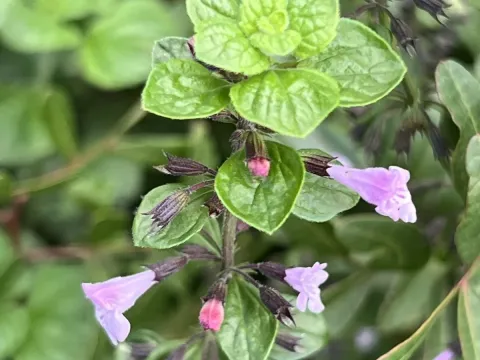
Clinopodium
Clinopodium x Hesperozygis
Clinopodium seeds are typically sown in early spring, once the soil has warmed up to at least 10–12 degrees Celsius.
What the section contains

Clinopodium
For better control over plant development, many growers utilize the seedling method, starting plants in trays four to six weeks before transplanting.
Because the seeds are small, they should be sown shallowly, at a depth of no more than 1 centimeter to ensure consistent germination.
Proper spacing is essential; seeds or transplants should be spaced to allow for 30–45 centimeters between rows for optimal airflow.
Consistent moisture is required during the initial germination phase to ensure a high rate of successful seedling emergence.
As a member of the Lamiaceae family, Clinopodium thrives in sunny environments with well-drained, fertile, and light soil textures.
The plant requires moderate levels of watering, as it is relatively drought-tolerant once established but needs hydration for maximum biomass.
Soil aeration is critical; heavy clay soils should be amended with organic matter to prevent root rot caused by waterlogging.
Neutral soil pH is ideal, though the plant is known for its adaptability to varying soil conditions across its native range.
Strategic fertilization with balanced nitrogen-rich compounds during the vegetative growth phase helps maximize the yield of aromatic leaves.
The main threats to Clinopodium include root rot pathogens and fungal infections like powdery mildew, particularly in humid or stagnant air.
Aphids and spider mites are the most common insect pests, capable of causing significant damage to the tender growth of the plant.
Good agricultural practices, such as maintaining appropriate plant density and weeding, are the most effective ways to manage potential threats.
It is recommended to monitor the crop regularly to detect early signs of infestation and to apply organic pest control methods when necessary.
Preventing soil compaction and ensuring adequate crop rotation will significantly lower the risk of soil-borne diseases in subsequent seasons.
Harvesting is best conducted during the peak flowering stage, which ensures the highest concentration of essential oils in the plant tissues.
Cuttings should be made in the early morning after the dew has evaporated but before the heat of the day reaches its peak.
Prompt processing is necessary; harvested biomass should be moved to a clean, well-ventilated drying area immediately to preserve quality.
Drying should be performed at low temperatures, ideally below 40 degrees Celsius, to maintain the potency of aromatic compounds.
Properly cured and stored, the final product remains highly fragrant and free of degradation, satisfying market requirements for medicinal herbs.