
Cinnabar sage
Salvia cinnabarina
Description
Sowing dates
Cinnabar sage is typically propagated by seeds, which should be sown indoors in late winter or early spring. Starting seeds early helps establish robust seedlings before they are transplanted to their permanent outdoor location.
Direct sowing in the garden is possible in warmer climates once the danger of frost has completely passed. Seeds require a light covering and contact with moist, well-draining soil to germinate effectively.
The germination period usually spans two to three weeks, requiring temperatures around 20–22 degrees Celsius. Providing bright, indirect light is essential for healthy seedling development and to prevent them from becoming leggy.
Transplanting into the garden should occur in late spring after soil temperatures have risen significantly. A spacing of 40–50 centimeters is recommended to ensure each plant receives adequate airflow, which is critical for disease prevention.
Acclimatizing the seedlings to outdoor conditions through a gradual hardening-off process over two weeks ensures that the plants are ready for the environmental stresses of the open garden.
Growing requirements
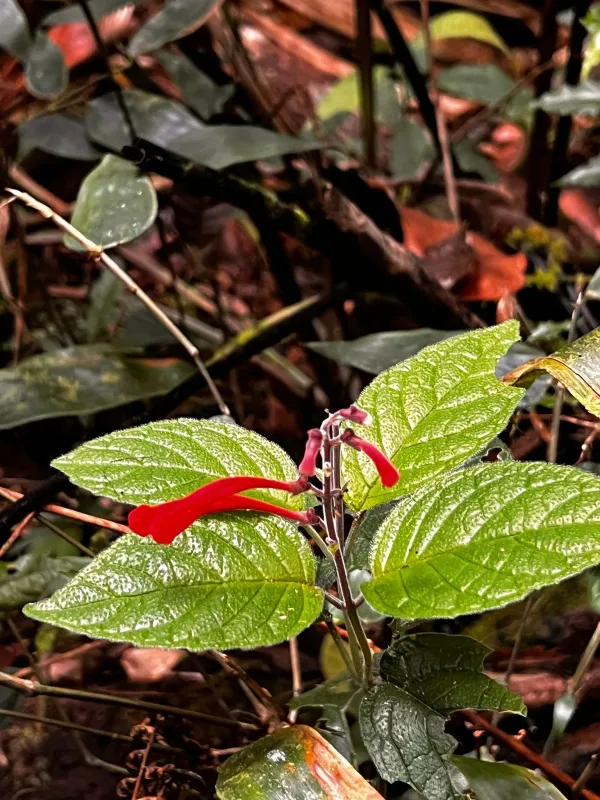
Salvia cinnabarina belongs to the Lamiaceae family and is a perennial herb native to the mountain ranges of Mexico and Guatemala. It is widely recognized for its vibrant, cinnabar-red flowers that form dense, showy spikes.
This species thrives in locations with full sun, though partial afternoon shade is beneficial in regions with intense summer heat. It is a tender perennial and may require winter protection or greenhouse storage in colder climates.
The ideal growing medium is rich, fertile soil with excellent drainage. This plant is particularly sensitive to waterlogged conditions, which can lead to rapid root degradation if not managed correctly.
A neutral to slightly acidic pH is preferred for optimal growth. Consistent, moderate watering is necessary, allowing the top layer of soil to dry out between waterings to encourage deep root establishment.
Fertilization should be handled with care, using balanced fertilizers with lower nitrogen levels. Excess nitrogen promotes rapid vegetative growth, which can reduce the intensity and duration of the flowering period.
Main diseases and pests
Common pests such as spider mites and whiteflies can infest Cinnabar sage, especially in dry and warm conditions. Periodic inspections of the leaf undersides are recommended to detect and manage these pests early.
Fungal issues, including powdery mildew, can affect the plant if moisture levels are too high or if the plants are placed too closely together. Proper spacing and airflow are the best preventive strategies.
Root rot is a critical threat typically resulting from poor soil drainage or excessive irrigation. Ensuring the soil remains airy and not water-saturated is fundamental for long-term plant health.
Slugs and snails may occasionally feed on young, tender foliage during the early stages of growth. Applying physical barriers or organic deterrents can protect the young plants until they are more established.
If viral infections occur, characterized by mottling or leaf distortion, the affected plants should be promptly removed and discarded to prevent transmission to other healthy members of the collection.