
Cilician catmint
Nepeta cilicica
Description
Sowing dates
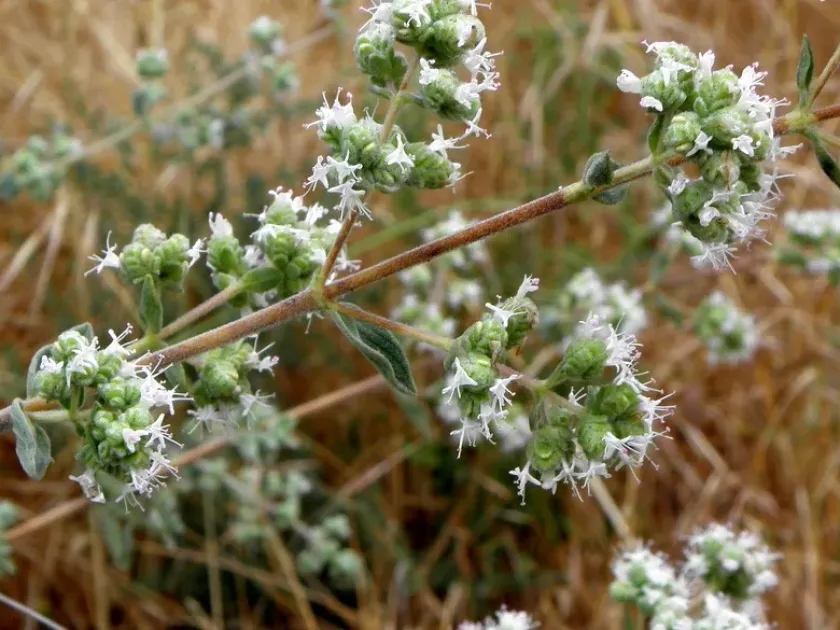
Cilician catmint (Nepeta cilicica) belongs to the Lamiaceae family. It is a robust perennial plant widely recognized for its aromatic properties and potential in industrial processing.
Sowing in open fields should take place in early spring once soil temperatures reach 8–10°C. Late autumn sowing is also viable in regions with stable winter conditions.
Seeds are sown shallowly at a depth of 0.5–1 cm. Maintaining a row spacing of 40-50 cm is recommended to ensure proper airflow and mechanical maintenance access.
For nursery production, seeds are sown in trays during March. Seedlings are ready for transplanting when they reach the 3-4 true leaf stage, usually by late spring.
The crop establishes a strong root system rapidly, provided that initial soil moisture is well-managed during the germination and seedling phases.
Growing requirements
This species thrives in sunny, open locations. Full sun exposure is essential to maximize the synthesis of essential oils stored in the foliage.
The ideal soil profile consists of well-drained, fertile sandy loam or loamy soils. It performs best in soils with a neutral pH, ranging from 6.5 to 7.5.
Cilician catmint demonstrates significant drought tolerance once mature. However, consistent water supply during the vegetative growth phase significantly improves biomass yield.
Water stagnation must be avoided at all costs, as the roots are highly susceptible to rot when subjected to prolonged saturated conditions.
Soil nutrient management should focus on balanced fertilizers. Excessive nitrogen applications should be avoided to prevent over-succulent growth and reduced oil quality.
Main diseases and pests
Root rot is the most common disease in catmint plantations, often caused by poor drainage or overly compacted soil conditions during periods of heavy rain.
Pests such as aphids and spider mites can occasionally affect the crop. Management should prioritize biological controls and insecticidal soaps to ensure the safety of the medicinal harvest.
Powdery mildew may occur if planting density is too high or if air circulation is restricted. Pruning and selective thinning are effective preventative measures.
The plant possesses natural repellent properties, which inherently reduce the risk of extensive damage from many common field pests.
Monitoring for signs of wilting is critical, as early detection of fungal pathogens allows for prompt intervention before an entire crop sector is compromised.
Harvesting
Harvesting for essential oil extraction occurs at the peak of full bloom. During this period, the plant tissue contains the highest concentration of volatile compounds.
Mechanical harvesting via mowing is efficient for large-scale operations. It is recommended to cut at a height of 10-15 cm to protect the plant crown and ensure regeneration.
Post-harvest, the material should be processed immediately or dried in a shaded, well-ventilated area to prevent the evaporation of essential oils.
If drying for herbal use, temperatures should be kept under 40°C to preserve the chemical integrity of the aromatic compounds found in the leaves and stems.
Stored material should be kept in airtight containers away from heat and light to maintain its medicinal and aromatic potency throughout the year.