
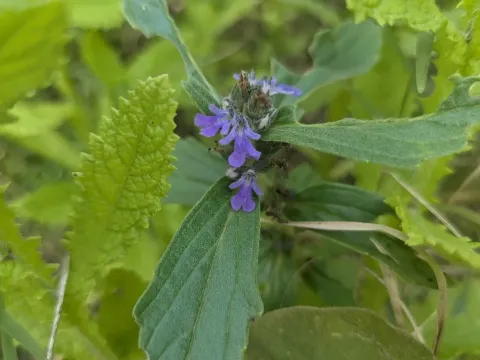
Ajuga remota
Ajuga remota
Ajuga remota is a perennial herb belonging to the Lamiaceae family, known for its distinct botanical characteristics and pharmacological potential in various regions.
What the section contains
Ajuga remota
The cultivation process typically begins in the spring when soil temperatures reach the levels necessary for germination and early root development of the seedlings.
When planting on a larger scale, maintaining precise spacing between rows is crucial to ensure that each plant receives adequate access to nutrients, sunlight, and air.
Seeds should be planted at a shallow depth to ensure they remain moist during the delicate germination phase, as dry soil can significantly reduce emergence rates.
Vegetative propagation is also highly effective for this species; utilizing rooted basal rosettes allows for faster establishment of new plots compared to traditional seeding.
The plant thrives in fertile, well-drained soils, ideally with a loamy texture that retains moisture without becoming waterlogged, which is vital for root health.
Ajuga remota prefers sunny to partially shaded locations, making it versatile for different environments, provided the plants are shielded from excessive heat or prolonged drought.
Incorporating organic matter into the soil prior to planting provides the necessary nutrients for robust growth and helps improve the physical structure of the growing substrate.
Temperature management is key to maintaining vigor; while the plant is generally hardy, extreme fluctuations can stress it, necessitating mulching or other protective measures.
Consistent weeding during the initial stages of growth is essential to prevent competition, as the plant needs a clear area to expand its rosettes and develop fully.
Successful yields of Ajuga remota depend heavily on the timing of the harvest and the intensity of the care provided throughout the growing season.
The highest concentration of active compounds is typically reached during the full flowering stage, which serves as the optimal window for gathering the aerial biomass.
With proper management and consistent hydration, producers can achieve stable yields over several consecutive years from the same established plot.
The plant demonstrates a strong capacity for regrowth, allowing for multiple harvests per year if the first cutting is followed by proper fertilization and watering.
Quality control during harvesting and post-harvest handling is critical, as the commercial value of the crop depends on the purity and potency of the dried material.
The crop is occasionally prone to fungal infections like powdery mildew, particularly in environments with poor air circulation or consistently high humidity.
Slugs and snails are primary pests that can cause significant damage to the succulent leaves, requiring attentive monitoring and environmentally friendly control methods.
Disease management focuses on preventive strategies, such as avoiding high-density plantings and ensuring that all plant residues are removed to minimize infection sources.
While chemical pesticides are an option, their use is often discouraged due to the medicinal end-use of the plant, favoring biological and physical control instead.
Early identification of pest infestations allows for targeted interventions, which helps protect the overall health and productivity of the plantation without heavy reliance on chemicals.
The harvesting process should occur during dry, sunny weather to ensure the plants are free from excess moisture, which helps prevent rot during the drying process.
Careful cutting techniques must be employed to leave the base of the plant intact, ensuring that the roots can quickly recover and produce new shoots for subsequent cycles.
Immediate transportation to the drying facility is essential to maintain the quality of the harvested materials and prevent degradation caused by overheating in bulk.
Once dried, the plant material should be carefully sorted and cleaned of any remaining soil or impurities before being processed for final use or market sale.
Storage in cool, dry, and dark conditions will preserve the integrity of the bioactive components, ensuring that the harvested Ajuga remota remains effective for its intended applications.