
Alpine calamint
Clinopodium alpinum
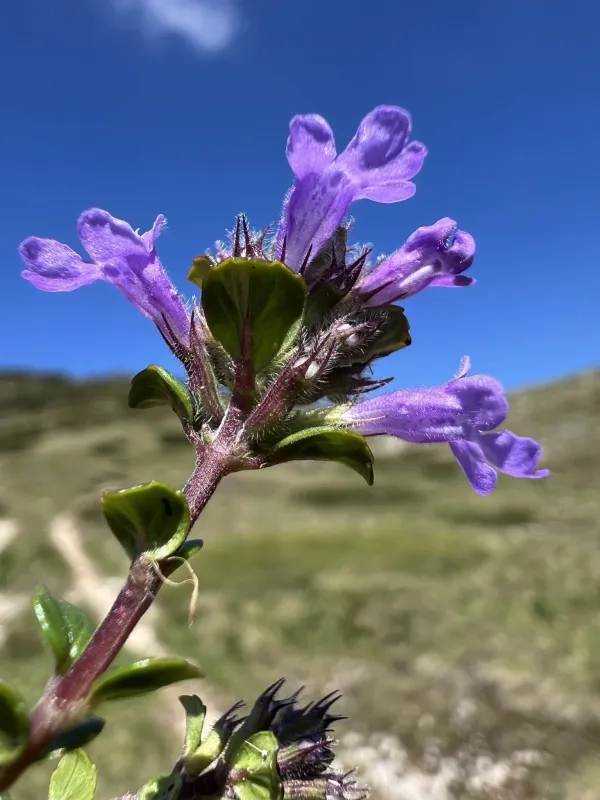
Description
Sowing dates
Alpine calamint, known scientifically as Clinopodium alpinum, is a perennial plant of the Lamiaceae family. It is typically propagated by seeds, which should be sown in early spring in well-prepared, loose soil.
The seeds are quite small and require minimal soil coverage. Pressing them lightly into the surface of the growing medium is sufficient for successful germination in a bright, warm location.
When starting indoors, maintain a consistent temperature of about 20 degrees Celsius. Transplanting should occur once the danger of frost has passed, ensuring the seedlings are spaced well apart.
Direct sowing into the garden is also possible, provided the soil is finely tilled and weed-free. Consistent moisture is required during the initial germination phase to ensure success.
Once established, the plant can self-seed, though for commercial cultivation, organized rows are preferred to ensure uniform development and easier maintenance.
Growing requirements
This species is highly adapted to sunny, open environments. It requires full sun exposure to thrive, as shade often results in leggy growth and reduced potency of its essential oils.
Soil drainage is the most critical factor for success. Alpine calamint prefers gritty, sandy, or rocky soils and will suffer in stagnant water or heavy, clay-based substrates.
It is remarkably drought-tolerant once established. Watering should be deep but infrequent, allowing the top layer of soil to dry out completely between sessions to protect the root system.
The plant performs best in neutral to slightly alkaline pH soils. In highly acidic environments, the addition of crushed limestone can help improve growth conditions.
Climate-wise, it is very hardy, capable of surviving cold winters, provided the snow cover or protective mulch prevents excessive freezing and thawing of the soil around the crown.
Main diseases and pests
The primary threat to the crop is fungal infection, specifically root rot caused by poor soil drainage and excessive humidity during the growing season.
In humid climates, powdery mildew can form on the leaves. Providing adequate spacing between plants improves airflow and significantly reduces the risk of such outbreaks.
Pests like aphids may target the succulent tips of the plant. Monitoring for early signs of infestation is crucial to prevent the need for chemical intervention.
Maintaining a weed-free zone around the base of the plant prevents competition for resources and reduces the environment that harbors pests and diseases.
- Use of well-drained, porous soil mixes.
- Strategic planting to ensure maximum ventilation.
- Regular weeding to reduce pest pressure.
Harvesting
Harvesting should be conducted during the peak flowering period when the plant's essential oil concentration is at its highest. This usually aligns with mid-to-late summer.
Use sharp, clean tools to harvest the upper third of the stems. Leave enough foliage on the plant to ensure it can recover and survive until the following season.
Immediate processing is essential after cutting. Drying the herb in a dark, airy place prevents the degradation of aromatic compounds caused by direct sunlight or excessive heat.
Once fully dried, the herb should be stored in opaque, airtight containers. Proper storage ensures that the flavor profile and therapeutic properties are maintained for months.
The final product is used in various sectors, including the food industry for herbal infusions and the cosmetic industry for high-quality extracts and essential oils.