
Amasonia
Amasonia
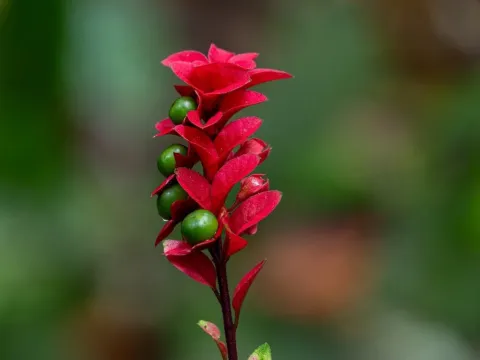
Amasonia (Amasonia) is a unique genus of flowering plants belonging to the Lamiaceae family. Originating from the tropical rainforests of South America, this plant is valued for its striking inflorescences and distinctive foliage, making it a popular choice for botanical collectors.
What the section contains

Amasonia
To thrive, Amasonia requires high-temperature environments, typically between 20°C and 25°C. It is strictly sensitive to thermal stress, meaning even minor cold drafts can lead to leaf senescence and physiological damage to the plant's structure.
Light requirements are centered on bright, filtered sunlight. Exposure to direct harsh sun during the day should be strictly avoided to prevent phototoxicity and leaf scorch, which can permanently diminish the aesthetic value of the specimen.
The substrate must be highly porous and well-aerated. A mixture based on peat, bark, and perlite provides the necessary structure for healthy root development while preventing waterlogging, a key factor in tropical plant management.
Humidity management is vital for Amasonia. High humidity levels, exceeding 65%, are preferred to mimic its native habitat. Regular misting with distilled water or the use of automated humidification systems will help maintain healthy leaf turgor.
Spider mites represent a primary pest risk, particularly when ambient humidity drops below optimal levels. These small pests colonize the leaf underside, necessitating regular monitoring and the potential use of specialized acaricides if an infestation occurs.
Fungal pathogens such as Rhizoctonia and various root rot fungi are common when drainage is inadequate. Keeping the substrate slightly moist but not saturated is the best cultural practice to prevent these devastating root diseases.
Mealybugs can often hide in the dense foliage of the Amasonia, causing stunted growth and honeydew production, which encourages secondary sooty mold growth. Physical removal and targeted systemic insecticides are effective interventions.
Cultural stress, specifically the inconsistency of water supply, often predisposes the plant to secondary infections. Maintaining a regular watering schedule ensures the plant remains vigorous enough to resist common pathogens.
Practicing good hygiene, such as sterilizing pruning tools and removing fallen plant debris, is essential. Regular inspections ensure that any outbreak of pests or diseases is caught early before it can compromise the entire plant.