
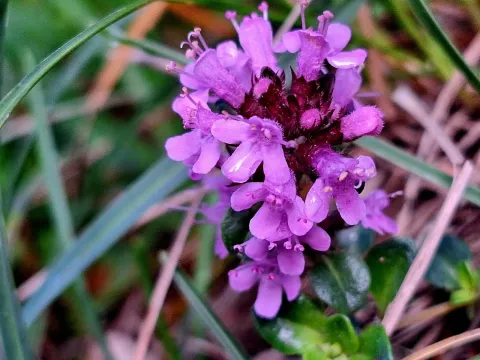
Alpine thyme
Thymus alpestris
Sowing Alpine thyme seeds is typically performed in the spring once the ground temperature reaches at least 10–12 degrees Celsius for reliable germination.
What the section contains
Alpine thyme
Seeds are extremely small, so it is recommended to mix them with fine sand to ensure an even distribution across the sowing area in the field.
The seeds should be sown shallowly, as they require sufficient exposure to light to initiate the germination process and reach the seedling stage.
Using a transplanting method is a popular choice for large-scale production, allowing for stronger plants before they are established in the permanent field.
Proper soil contact is essential; after sowing, a light rolling of the soil surface helps to keep the seeds in place and improves moisture uptake.
Alpine thyme is a perennial shrub belonging to the Lamiaceae family, naturally adapted to high-altitude rocky environments and well-drained soils.
Full sun exposure is a critical requirement for this crop, as high solar radiation is necessary to stimulate the production of essential oils in the plant.
The ideal soil for this plant is loose, sandy, or gravelly with a neutral to slightly alkaline pH, which prevents root rot and encourages healthy growth.
The plant demonstrates excellent winter hardiness, allowing it to survive harsh temperatures, which is an inherited trait from its alpine mountainous origins.
Consistent air circulation and avoiding nitrogen-rich fertilizers are vital to maintaining the plant's natural aromatic profile and compact growth habit.
Productivity peaks between the second and third year of cultivation when the plants are fully established and have developed a robust foliage canopy.
With careful management of the harvest schedule, multiple cuts per season are possible, though plants must be allowed sufficient time to recover before winter.
The yield of essential oils is highly dependent on the timing of the harvest; the concentration of oils is at its maximum during the full bloom stage.
Economic returns are best maintained by keeping the plantation clean of weeds, as competition for nutrients significantly reduces the total biomass production.
Good agricultural practices, including proper spacing and soil management, ensure consistent production for approximately five years before replanting.
Excessive soil moisture is the primary threat to Alpine thyme, as it rapidly leads to root rot and other fungal pathogens that compromise the crop.
Diseases such as various leaf spots and wilt can occur if planting density is too high, preventing adequate airflow between the individual plants.
Pests like aphids and certain beetle species may target young, tender growth during the early season, which can cause significant damage if left unchecked.
Disease management should focus on cultural controls, such as appropriate row spacing and moisture regulation, rather than relying heavily on chemical inputs.
Maintaining the structural integrity of the root zone and ensuring proper drainage are the best defenses against both abiotic stress and biotic threats.
Harvesting is performed by cutting the aerial parts of the plant, leaving at least 5–10 centimeters of growth to ensure the plant can regenerate efficiently.
It is best to conduct the harvest on a dry, sunny morning after the dew has evaporated, as moisture content can degrade the quality of the raw material.
Immediate processing or transport to the drying facility is necessary to prevent the loss of volatile compounds and to maintain the vibrant color of the herbs.
Drying must be done in a shaded, well-ventilated area to preserve the essential oil composition and prevent the breakdown of aromatic molecules by UV light.
Once dried, the herbs should be stored in breathable, moisture-resistant packaging to maintain quality for pharmaceutical, culinary, or cosmetic use.