
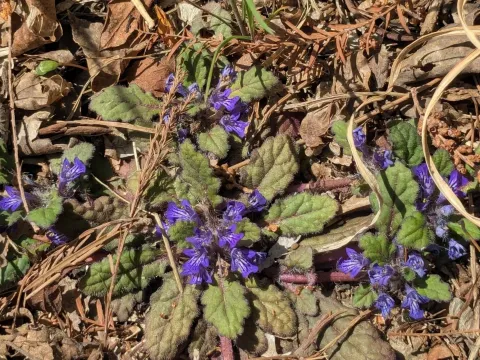
Ajuga decumbens
Ajuga decumbens
Ajuga decumbens is a perennial herbaceous plant belonging to the Lamiaceae family. It is widely recognized for its creeping growth habit, making it an excellent groundcover for gardens and landscape areas where low-maintenance coverage is required.
What the section contains
Ajuga decumbens
Propagation of this culture is most efficiently achieved through vegetative methods, specifically by utilizing the creeping stolons that root at the nodes. Dividing mature plants in early spring or late summer allows for rapid establishment of new patches.
Seed sowing is less common but viable; however, it requires a period of cold stratification to break seed dormancy. Seeds should be sown in late autumn to experience natural winter temperatures or treated in a refrigerator for several weeks.
For indoor propagation, seeds can be sown in late winter using a light, well-draining soil mix. Once seedlings reach a height of 5–8 cm, they can be transplanted outdoors after the risk of frost has passed.
When planting, maintain a density of approximately 10–12 plants per square meter to ensure complete ground coverage within a single growing season, creating a dense mat that effectively suppresses most competing weeds.
Ajuga decumbens thrives in partial shade with consistent moisture levels. While it is adaptable, it performs best in soils rich in organic matter that retain moderate levels of water without becoming waterlogged.
Soil quality is paramount; the plant prefers loamy, slightly acidic to neutral soils. In heavy clay soils, the addition of organic amendments such as compost or peat is necessary to improve drainage and prevent root rot.
Environmental conditions play a significant role in plant health. This species is cold-hardy and can withstand moderate winters, often retaining its foliage in mild climates, which makes it a preferred choice for year-round landscape designs.
Adequate air circulation is essential for maintaining plant vigor. Overcrowded or overly damp locations can lead to a decline in plant health, so thinning out established patches every few years is recommended to promote new growth.
Irrigation should be managed based on local climate conditions. During peak summer heat, regular watering is necessary to prevent the leaves from scorching, especially if the plants are situated in areas that receive afternoon sun.
The primary threat to Ajuga decumbens is root rot, particularly in soils with poor drainage. This condition is often exacerbated by over-irrigation or prolonged wet weather, leading to the collapse of the root system.
Slugs and snails are frequent pests that cause significant cosmetic damage by feeding on the soft, succulent leaves during damp conditions. Implementing barrier methods or using organic baits can help manage these populations.
Aphids occasionally infest the flower spikes during the blooming period. While rarely lethal, they can deform the flowers and reduce the overall aesthetic appeal of the groundcover, requiring timely intervention with insecticidal soaps.
Preventative maintenance is the best defense against pests and diseases. This includes avoiding overhead watering during evening hours and ensuring that the planting site has sufficient drainage and airflow throughout the season.
- Monitor for leaf spots during humid spells.
- Avoid over-fertilizing with nitrogen to prevent weak growth.
- Keep the surrounding area free of debris to minimize slug habitats.