
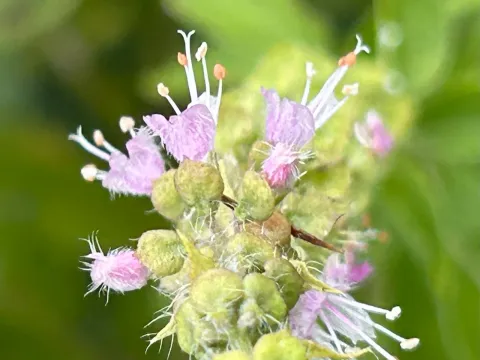
American basil
Ocimum americanum
American basil is a tender annual herb that thrives in warm climates and is highly sensitive to frost, requiring stable temperatures for successful germination.
What the section contains
American basil
Direct sowing in the open field should only be performed once the soil has warmed up significantly and the risk of cold snaps has completely passed.
In temperate regions, it is highly recommended to start seeds indoors in trays or pots about 6 to 8 weeks before the last frost date for better yield results.
Seeds should be sown shallowly, barely covering them with a thin layer of light soil or vermiculite, as they require a small amount of light for activation.
Maintaining a consistent moisture level in the seedbed is crucial during the first two weeks to ensure uniform seedling emergence and robust development.
As a member of the Lamiaceae family, this crop demands full sunlight exposure for at least 6 to 8 hours daily to produce high-quality aromatic oils.
The ideal soil for cultivation is loose, well-draining, and rich in organic matter, with a pH level maintained between 6.0 and 7.5 for optimal growth.
Irrigation must be managed carefully, ensuring the soil stays evenly moist without becoming waterlogged, which can lead to rapid root decay and plant death.
Regular aeration of the soil surface through light hoeing is essential to prevent crusting and to improve oxygen access to the root zone of the plants.
Supplemental fertilization with balanced organic or mineral nutrients during the active growth phase significantly boosts the production of lush green foliage.
The yield of American basil is heavily influenced by site selection, consistent watering, and the frequency of pruning during the vegetative season.
Proactive pinching of the central stem encourages the plant to branch out, resulting in a denser canopy and a much higher biomass yield per plant.
Removing flower buds as soon as they appear is a critical agronomic practice, as it prevents the plant from shifting energy to seed production instead of leaves.
Under professional management, commercial yields can vary significantly, but frequent harvesting cycles allow for multiple cuts throughout a single summer season.
Space management is vital; spacing plants roughly 25-30 centimeters apart provides adequate airflow, which is crucial for reducing fungal disease pressure.
The most common pests affecting this crop include aphids and spider mites, which can cause significant damage by sucking sap from the tender leaves.
Fusarium wilt is a common fungal pathogen that can devastate plantings, typically signaled by yellowing leaves and sudden drooping of the entire stem.
Damping-off, caused by various soil-borne fungi, is a frequent threat to young seedlings if the germination environment remains too humid and stagnant.
Effective pest and disease management relies on preventative measures such as using sterilized soil media and strictly adhering to crop rotation schedules.
Integrated pest management, including the use of neem oil or insecticidal soaps, can help control infestations while maintaining the plant's food safety standards.
Harvesting should be timed to maximize leaf quality, ideally early in the day after the morning dew has dried but before the sun intensifies heat.
To harvest, cut the upper portions of the stems, ensuring at least two sets of mature leaves remain to allow for rapid regrowth of the plant structure.
Post-harvest handling is critical, as basil leaves are highly perishable and prone to darkening if exposed to prolonged cold or direct sunlight after cutting.
For processing into dried herbs, the harvested stems should be hung in small bundles in a dark, airy location to preserve volatile oils and natural color.
Commercial producers often pack fresh basil in vented containers to maintain optimal humidity and temperature during transit to local markets.