
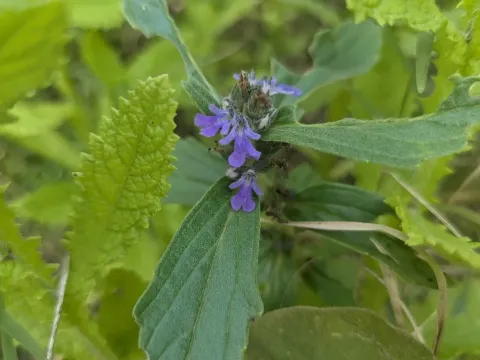
Ajuga bracteosa
Ajuga bracteosa
Ajuga bracteosa is a perennial herbaceous plant belonging to the Lamiaceae family. It is native to the mountainous regions of Asia, primarily found in the Himalayas, as well as parts of India, Afghanistan, and Pakistan, where it thrives in diverse ecological zones.
What the section contains
Ajuga bracteosa
The plant prefers well-drained, fertile soil and requires adequate sunlight to reach its maximum productivity. While it is adaptable to partial shade, full sun exposure promotes better flowering and higher production of bioactive compounds.
Botanically, it is recognized by its dense basal leaf rosettes and upright flowering stems that reach heights of up to 30 cm. The species is known for its resilience and ability to form a compact ground cover, which is beneficial for soil erosion control.
For successful cultivation, soil preparation should involve the incorporation of organic compost to improve drainage. Consistent moisture is required during the initial growing season, though mature plants demonstrate moderate drought tolerance.
The economic value of this crop is largely driven by its pharmacological applications. Extracts from Ajuga bracteosa are documented for their potential anti-inflammatory, antimicrobial, and antioxidant properties in traditional therapeutic systems.
Fungal pathogens represent the most significant threat to the health of Ajuga bracteosa, especially under high humidity conditions. Powdery mildew can quickly spread across the foliage if air circulation between plants is insufficient.
Root rot is another critical issue that typically arises from poor soil drainage or excessive irrigation. Implementing a strict watering schedule and ensuring proper field drainage are essential strategies for mitigating this threat.
Gastropod pests, such as slugs and snails, are particularly problematic in moist environments. They consume the leaves, significantly reducing the visual appeal and physiological vigor of the plants.
Sucking insects, such as aphids, can infest the floral parts of the plant during the spring, causing stunted growth. Integrated pest management, including the use of neem-based oils or insecticidal soaps, is recommended for sustainable control.
Maintaining proper field hygiene is paramount to reducing pest and disease pressure. Regular weeding and the removal of infected plant debris help sustain a healthy environment for the crop to flourish.