
Alpine skullcap
Scutellaria alpina
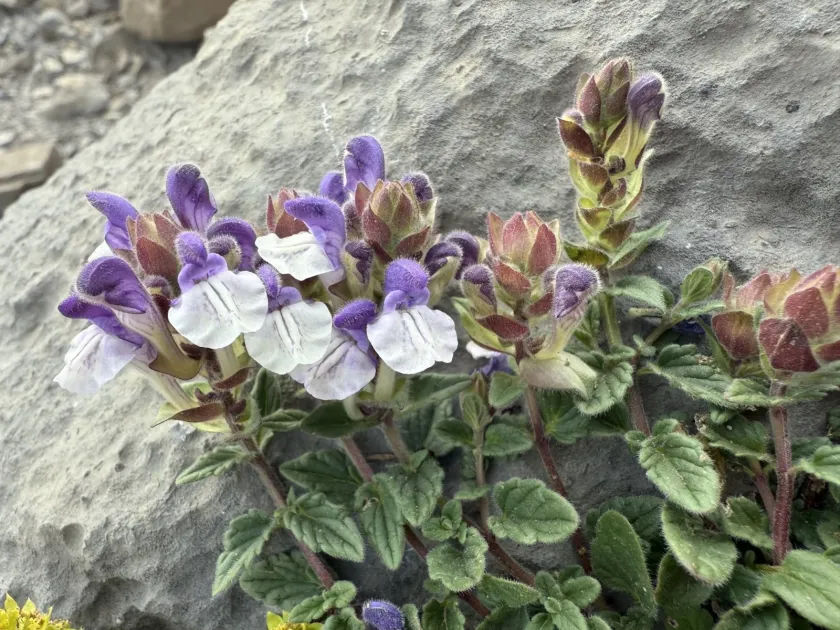
Description
Sowing dates
Sowing Alpine skullcap in agricultural practice is generally performed in late autumn, utilizing seeds that have undergone stratification to improve germination rates. Spring sowing is also viable, provided the seeds have been cold-treated for 30 to 45 days prior to planting to simulate natural conditions.
When employing a seedling method, seeds are sown in trays in March, maintaining temperatures between +15°C and +18°C for optimal sprout development. Pricking out the seedlings at the two-leaf stage allows for a stronger root system to establish before transferring them to the field.
Field transplanting occurs once the risk of night frost has passed and the soil has sufficiently warmed. A planting density of 30x40 cm is typically recommended to provide adequate space for growth while maximizing the use of the field area throughout the growing season.
Successful sowing depends heavily on proper seed placement, with depths strictly limited to 0.5–1 cm. Given the small size of the seeds, consistent soil moisture must be maintained to prevent the surface layer from drying out, which is a common cause of seedling failure.
As a long-lived perennial, Alpine skullcap plantations can remain productive for 4–6 years without the need for frequent replanting. By the second year, the plants develop a robust taproot system, which ensures both long-term survivability and consistent biomass production.
Growing requirements
Alpine skullcap is a hardy perennial belonging to the Lamiaceae family, naturally adapted to rocky slopes and alpine meadows. Its primary agronomic advantage is its high ecological plasticity, allowing it to thrive in nutrient-poor soils where other crops might struggle.
The plant requires well-drained, neutral to slightly alkaline soil to prevent root rot, which is the primary cause of mortality in cultivated stands. Excessively waterlogged soil is unsuitable and must be avoided to ensure the health of the plant's root structures.
High solar radiation levels are essential for the plant to achieve vigorous vegetative growth and productive flowering. Shady conditions typically lead to weak, etiolated stems and a significant decrease in the concentration of bioactive compounds in the harvestable parts.
Climate preferences for this species include moderately cold winters and cool summers, mirroring its natural high-altitude environment. The species exhibits excellent cold hardiness, making it an ideal crop for cultivation in temperate to cooler climatic zones.
Industrial production requires careful management of soil nutrients. Minimal nitrogen application is recommended; excessive nitrogen fertilizers tend to prioritize leaf biomass production at the expense of the root quality, which is the most critical component for medicinal use.
Main diseases and pests
The primary pathological threats to Alpine skullcap involve fungal infections, particularly those affecting the root system, often resulting from poor irrigation management. Diseases like Fusarium or Rhizoctonia are exacerbated by stagnant air and excessive soil moisture in dense stands.
Pest pressure is relatively low, though aphids and generalist leaf-eating insects can cause damage during the early stages of spring growth. Maintaining a clean field free of weeds significantly reduces the habitat available for these pests and improves overall air circulation.
Preventative strategies are essential, specifically strictly avoiding mono-cropping on the same site for more than six years. Integrating biological control measures, such as beneficial microorganisms, can help suppress soil-borne pathogens without compromising the organic quality of the crop.
While damage from soil-dwelling pests like wireworms is uncommon, field monitoring is advised, especially if the site was previously used for root crops. A holistic protection strategy focuses on creating an environment that discourages pathogen establishment rather than reactive chemical treatment.
Sanitation practices, such as removing dead plant debris at the end of the season, are vital for long-term health. These practices reduce the inoculum density of fungal spores and eliminate overwintering sites for insects, significantly lowering the risk for the next season.
Harvesting
Harvesting the aerial parts of Alpine skullcap is optimally conducted during the peak flowering stage, when the secondary metabolite content is at its maximum. Stems are cut at a height of 5–10 cm above the ground using mechanical harvesters or manual tools.
The roots, which are the most valuable part for the pharmaceutical industry, are harvested in autumn after the aerial portion has withered. At this stage, the plant has completed its nutrient translocation, ensuring high quality and potency of the collected material.
After collection, the raw material must undergo thorough washing to remove soil and organic impurities. Washing with clean running water is a mandatory step, followed by cutting the roots into smaller fragments to facilitate faster and more uniform drying in industrial drying units.
Drying is performed at temperatures not exceeding +45°C to preserve the chemical integrity of the active components. Proper airflow is essential throughout the drying process to prevent microbial growth, self-heating, or mold development during moisture loss.
Storage of the finished medicinal product requires a dry, cool environment protected from direct sunlight. Under these conditions, the pharmacological activity and quality of the Alpine skullcap material remain stable for 2–3 years without significant loss of efficacy.