
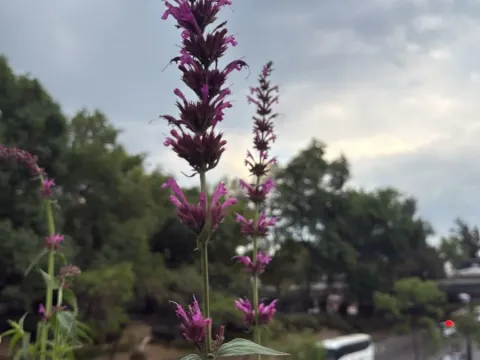
Agastache
Agastache
Agastache seeds are small and require surface sowing, usually initiated indoors in late winter to ensure a longer growing season.
What the section contains


Agastache
Light is essential for seed germination, so seeds should only be lightly pressed into the soil rather than buried deeply.
Transplanting into the field is performed once the danger of frost has passed and the soil has sufficiently warmed up.
Direct seeding in temperate zones is possible once stable warm weather arrives, usually by late spring.
Plant spacing should be approximately 40 to 60 centimeters apart to allow for proper airflow and development of the mature plant.
This crop thrives in full sun, which is critical for maximizing the essential oil content within its fragrant foliage.
Well-drained soil with a sandy or loamy texture is preferred to ensure that roots do not remain waterlogged during the season.
Agastache is relatively drought-tolerant once established, but regular irrigation is necessary during dry spells to maintain high biomass yield.
The plant performs best in neutral to slightly alkaline soil conditions, avoiding heavy clays that trap excessive moisture.
Application of compost or balanced organic fertilizers in early spring supports vigorous vegetative growth throughout the summer months.
Root rot is the most common physiological issue, almost always caused by poor soil drainage and excessive soil moisture.
Powdery mildew can affect the foliage in humid, stagnant air conditions, especially towards the end of the growing season.
Pests like aphids and spider mites may target Agastache, often appearing during periods of drought or stressed plant conditions.
Integrated pest management strategies are recommended, focusing on maintaining plant health and utilizing beneficial predatory insects.
Proper spacing is the most effective cultural method to reduce the humidity around the plants and minimize disease risk.
The primary harvest for foliage occurs at the onset of flowering when the aromatic oils are most potent and fragrant.
Harvesting involves cutting the upper stems, leaving enough foliage at the base to allow for potential secondary regrowth.
Drying should be conducted in a dark, well-ventilated room to preserve the essential oils and prevent discoloration of the leaves.
For seed production, flower spikes are left on the plant until they turn brown and dry naturally before being collected and cleaned.
Properly dried material should be stored in airtight containers away from heat and light to ensure long-term shelf stability.