
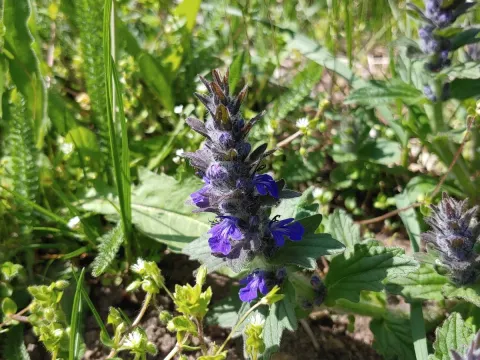
Ajuga genevensis
Ajuga genevensis
Ajuga genevensis, commonly known as Geneva bugle, is a perennial herbaceous plant belonging to the Lamiaceae family. Unlike some of its relatives, it grows in distinct clumps and does not spread aggressively via stolons, making it easier to manage in gardens.
What the section contains
Ajuga genevensis
Seed sowing is best performed in the autumn, allowing for natural stratification during winter. This process is crucial for breaking seed dormancy and ensuring successful germination when spring temperatures rise.
For spring sowing, seeds must be stratified in a refrigerator at approximately 4°C for at least 4-6 weeks. Sowing should be done in a light, sandy loam soil, covering seeds very lightly as they require some light to germinate effectively.
Row spacing should be approximately 30-40 cm to allow for adequate airflow and ease of maintenance. Maintaining consistent soil moisture during the first few weeks after sowing is vital for seedling establishment.
Transplanting seedlings started indoors in late winter is a viable option for those looking to expand their cultivation area rapidly. Acclimatization to outdoor conditions should be done gradually over a period of 7-10 days.
The plant thrives in a wide range of conditions, showing excellent cold hardiness. It performs optimally in full sun to partial shade, though afternoon shade is preferred in hotter climates to prevent leaf scorch.
Soil quality is not a major limiting factor, although the plant favors well-drained, fertile soil with a neutral to slightly acidic pH. Poorly drained heavy clays should be amended with organic matter to improve aeration.
While Ajuga genevensis has moderate drought tolerance once established, it prefers consistently moist conditions. During prolonged dry spells, supplementary watering is recommended to sustain vigorous growth and flowering.
Fertilization with a balanced, slow-release fertilizer early in the spring supports robust vegetative growth. Excess nitrogen should be avoided as it may lead to lush foliage but diminished flowering potential.
Mulching around the base of the plants helps regulate soil temperature and moisture levels. Organic mulch also aids in suppressing weed growth in the inter-row spaces of the planting area.
The primary use of Ajuga genevensis in an agricultural context is as a source of medicinal compounds. The aerial parts are harvested during the peak of the flowering period, typically in late spring or early summer.
The plant is highly valued by beekeepers as an early-season nectar source. Its ability to bloom when other forage is limited makes it a beneficial component of biodiversity-focused agricultural lands.
Beyond its medicinal properties, this species serves as a functional ground cover. It is highly effective in stabilizing soil on slopes and preventing erosion, outcompeting common weeds in established patches.
For medicinal herb production, sustainable harvesting practices are essential. Selective harvesting ensures that the population remains vigorous and capable of regeneration in subsequent growing seasons.
Yield stability is linked to environmental factors and the maintenance of soil fertility. Proper field management, including weed control and irrigation, results in consistent production of high-quality raw plant material.
Slugs and snails are the most significant pests for Ajuga genevensis, especially during damp spring months. They target the tender leaves, which can lead to unsightly damage and reduced plant health.
Powdery mildew may occur if planting density is too high or if air circulation is compromised. Managing spacing and avoiding overhead watering in the evenings can significantly reduce this risk.
Root rot, caused by various soil-borne pathogens, is a frequent issue in poorly drained soils. Ensuring that the site has adequate drainage is the most effective preventative measure against such diseases.
Aphids can occasionally cluster on the flower spikes, sucking plant sap and reducing aesthetic appeal. Biological controls, such as introducing predatory insects, are preferred over synthetic pesticides.
Nematode infestations can manifest as stunted growth and yellowing leaves. Implementing a proper crop rotation schedule helps in managing nematode populations and maintaining soil health over time.
Harvesting should occur on a dry, sunny morning after the dew has evaporated. Using a clean, sharp sickle or shears, cut the stems just above the basal foliage to encourage recovery.
Immediate processing is necessary after harvesting to prevent moisture buildup and potential decay. The plant material should be spread in a single layer to facilitate air circulation.
Drying is best accomplished in a dark, well-ventilated location at ambient temperatures. Excessive heat or direct sunlight will cause the loss of valuable essential oils and botanical compounds.
Once dried, the herbs should be stored in opaque, airtight containers away from direct sunlight and humidity. Proper storage ensures that the therapeutic potency is preserved for up to two years.
Regular monitoring of stored material is recommended to ensure no signs of moisture or mold develop. If quality standards are met, the dried product is ready for commercial or medicinal application.