
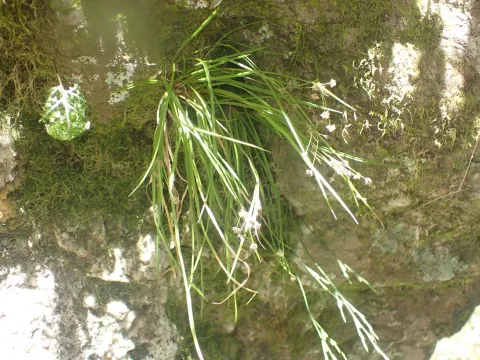
Luzula picta
Luzula picta
Luzula picta, a member of the Juncaceae family, is a perennial herb known for its compact, grass-like growth habit and attractive foliage. Sowing is typically performed in early spring once soil temperatures have stabilized and the risk of severe frost has passed.
What the section contains
Luzula picta
For optimal germination rates, seeds should be cold-stratified for several weeks before sowing. They should be surface-sown or lightly covered with a fine layer of substrate, as they require consistent moisture and moderate light to sprout effectively.
When starting indoors, seeds are sown in trays during late winter. Transplanting the seedlings into individual pots once they develop their first set of true leaves ensures they establish strong root systems before being moved outdoors to their permanent garden location.
Vegetative propagation is achieved by dividing mature clumps in the spring. This is the preferred method for maintaining genetic consistency in cultivars and allows for rapid establishment, as the divisions already possess developed root structures.
After planting, ensuring the soil remains moist is vital for seedling survival. Applying a light layer of mulch around the plants can help regulate soil temperature and moisture levels, providing a stable environment for the young plants to mature.
This plant thrives in partially shaded or fully shaded locations, making it an excellent choice for woodland gardens or under the canopy of mature trees. It is well-adapted to environments where direct sunlight is filtered or limited.
The ideal soil conditions for Luzula picta are moist, well-drained, and rich in organic matter, with a slightly acidic pH level. It does not tolerate prolonged waterlogging, so proper drainage is essential for maintaining root health and preventing decay.
The plant is highly hardy and generally survives well in temperate climates with cold winters. During particularly harsh or dry winters, a light covering of leaf litter or organic material provides extra protection for the root system and keeps the foliage vibrant.
Consistent watering during the growing season is necessary, especially during dry spells, to prevent the foliage from wilting. While it can withstand short periods of dryness once established, its growth is most vigorous when soil moisture is maintained at a steady level.
Minimal fertilization is required; however, a balanced application of organic fertilizer in early spring can enhance growth and leaf density. Regular maintenance involves cleaning away dead leaves from the base of the plant to encourage healthy new spring growth.
Luzula picta is naturally resilient against many common plant diseases, but poor cultivation practices can lead to issues. Root rot is the most common ailment, specifically occurring in areas with inadequate soil drainage or persistent waterlogging during the cooler months.
Slugs and snails are the primary pests that may feed on the foliage, particularly in damp or humid garden areas. Barriers such as crushed eggshells or specialized traps are often effective in protecting the foliage from these nocturnal visitors.
Fungal leaf spots can occur when air circulation is poor, particularly in dense plantings where moisture tends to persist on the leaves. Keeping the spacing between plants sufficient and removing old, dead foliage are essential preventative cultural measures.
When signs of disease or pest infestation appear, immediate isolation of the affected area and the application of appropriate treatments are recommended. However, avoiding chemical usage is preferred, as healthy plants generally possess the resilience to overcome minor stress.
Strategic planting and proper care serve as the most effective defense mechanism against common threats. Regular monitoring of the foliage and soil conditions allows for early detection of potential problems, ensuring the long-term health of the planting.