
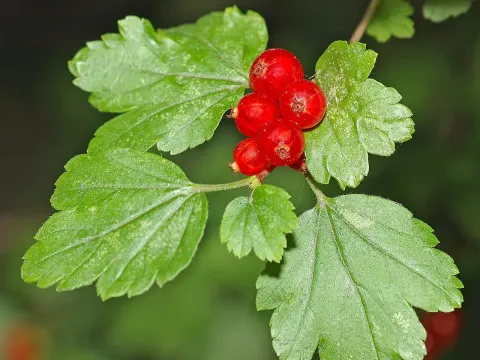
Alpine currant
Ribes alpestre
Alpine currant (Ribes alpestre) is a hardy perennial shrub belonging to the Grossulariaceae family. Native to mountainous areas in Asia, it is well-adapted to high-altitude climates, showing exceptional resilience to extreme temperature fluctuations and cold winters.
What the section contains
Alpine currant
This shrub is highly valued for its dense, compact foliage and slow growth rate, which makes it an ideal candidate for formal landscaping. It thrives in well-drained soils and shows remarkable adaptability to various soil types, including rocky or poor mountain substrates.
The plant prefers full sun to partial shade exposures. While it is naturally drought-tolerant once established, providing regular irrigation during the initial planting stages and intense heat spells will significantly boost its growth vigor and overall density.
Standard agrotechnical practices for this species include regular pruning to maintain desired shapes and encourage thicker branching. It is highly tolerant of shearing, which has made it a popular choice for hedge formation, topiary, and architectural garden structures.
In terms of agricultural and horticultural use, the focus remains primarily on its ornamental properties. It is widely recognized for its ability to withstand urban pollution and difficult growing conditions where more sensitive species might fail.
Powdery mildew is the most common fungal issue affecting this species, especially in areas with poor air circulation or high humidity. Managing the density of the shrub through strategic pruning is the best preventive measure to ensure airflow within the canopy.
Leaf spot diseases can also occur, particularly during wet seasons. Applying systemic fungicides at the first sign of foliage discoloration is recommended to protect the integrity and aesthetic appeal of the ornamental shrub.
Aphids are typical pests that infest the tender new growth during the spring season. In most cases, a strong jet of water or the application of insecticidal soaps can manage the population effectively without the need for harsh chemicals.
Mites can potentially damage the buds, leading to stunted or deformed leaf development. Monitoring the plant in early spring is critical for spotting these pests before they migrate and cause widespread damage to the shrub's structure.
Maintaining a healthy garden environment, including the removal of leaf debris in autumn, is essential for minimizing pathogen overwintering sites. A combination of good hygiene and proper nutrition ensures the shrub remains robust and pest-free.