
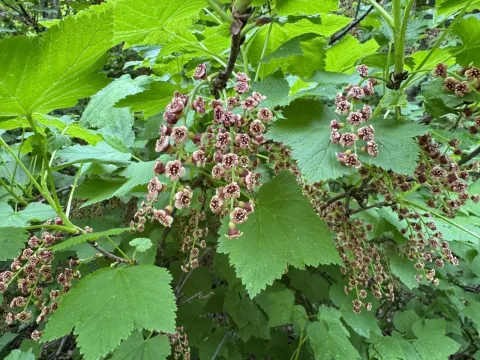
Bieberstein currant
Ribes biebersteinii
Bieberstein currant (Ribes biebersteinii) is a perennial shrub belonging to the Grossulariaceae family. This species is native to the high-altitude regions of the Caucasus, where it typically thrives in specialized ecological niches such as alpine valleys and mountain woodlands.
What the section contains
Bieberstein currant
The plant requires a cool, humid climate and is highly dependent on consistent soil moisture. It is most frequently found growing along the banks of mountain streams and in shaded ravines where the soil is rich in organic matter and well-drained with a slightly acidic or neutral pH.
Botanically, this shrub is characterized by its resilience to mountain winters and its adaptation to low-light conditions under forest canopies. It features a robust root system that helps anchor the plant in rocky terrain and allows it to access nutrients effectively in thin soils.
The cultivation of this species outside its native environment is challenging due to its strict temperature requirements. It thrives in locations that offer protection from intense midday sun and maintains an environment with cool, moist air, mimicking its natural subalpine habitat.
Proper care for Ribes biebersteinii involves consistent mulching to maintain stable soil temperatures and preserve soil moisture. It is a slow-growing species that benefits significantly from organic amendments rather than heavy chemical fertilization, which can disrupt its delicate natural balance.
Common threats to the health of the Bieberstein currant include powdery mildew, a fungal disease that flourishes in conditions with high humidity and stagnant air. This pathogen can quickly compromise the foliage and reduce the overall vigor of the plant during the growing season.
Pests such as spider mites and aphids are frequently observed affecting this species. These insects tend to feed on the underside of leaves, causing discoloration and inhibiting the plant's ability to photosynthesize effectively, which is detrimental to its development.
Managing these threats requires a proactive approach that focuses on promoting good airflow around the shrub and minimizing moisture accumulation on the foliage. Pruning is essential to remove damaged or diseased branches that might harbor spores or eggs.
Integrated pest management techniques, including the use of biological controls, are highly recommended. This approach helps maintain the ecological integrity of the plant while effectively managing common garden pests without chemical damage to the environment.
Routine monitoring of the plant throughout the spring and summer is the best defense against major infestations. By identifying issues early, gardeners can perform targeted interventions that keep the shrub healthy and productive throughout its long lifespan.