
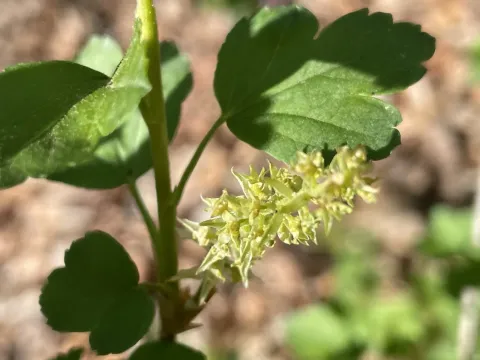
Alpine currant
Ribes alpinum
Alpine currant (Ribes alpinum) is a robust, deciduous shrub belonging to the Grossulariaceae family. Native to the mountainous regions of Europe, this plant is well-adapted to cooler climates and rocky, forested environments.
What the section contains
Alpine currant
The shrub is highly valued for its adaptability, thriving in a wide range of soil conditions, including alkaline and dry soils. It prefers well-drained, fertile ground but is surprisingly resilient to varying soil textures, provided there is no long-term waterlogging.
A key feature of Ribes alpinum is its remarkable shade tolerance. It can grow successfully in deep shade where many other shrubs would struggle, making it an excellent candidate for woodland gardens or north-facing landscape borders.
Botanically, it forms a dense, twiggy structure with small, shiny leaves. It is a dioecious species, meaning individual plants produce either male or female flowers; cross-pollination is required for the production of red, insipid, but ornamental berries.
Its primary agricultural and horticultural use is as an ornamental plant. It is widely considered one of the best shrubs for formal hedging and topiary, as it responds exceptionally well to frequent shearing and maintains its density from the ground up.
The Alpine currant is generally hardy, but it can be susceptible to powdery mildew, especially in humid conditions with poor air circulation. Proper spacing during planting is essential to ensure adequate airflow and reduce disease incidence.
Common pests include aphids and leaf-rolling caterpillars, which may target new growth during the spring months. Regular inspection and the use of horticultural oils can help manage these populations effectively.
Root rot remains the most significant threat if the shrub is planted in heavy, clay-rich soil without proper drainage. Amending the soil with organic matter and grit before planting is a recommended practice to avoid these issues.
Periodic thinning of the center of the shrub is recommended to prevent the buildup of dead wood, which can become a breeding ground for fungal pathogens. This maintenance also helps keep the shrub healthy and vigorous over time.
Providing a balanced fertilizer in the early spring can support healthy growth, but excessive nitrogen should be avoided to prevent overly succulent branches that are more attractive to various chewing insects.