
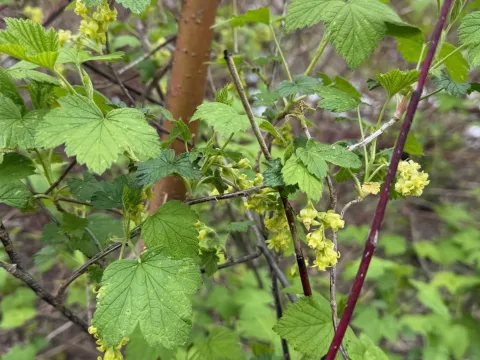
American black currant
Ribes americanum
The American black currant is primarily propagated through vegetative methods, such as cuttings or division of established bushes. Autumn is considered the most favorable time for planting, as the plants are in dormancy, which helps them establish roots before the next growing season.
What the section contains
American black currant
When planting in spring, it is crucial to complete the task before the buds break to ensure better survival rates. A sunny location, protected from strong winds, is ideal for the successful growth and development of the bushes.
Planting holes should be prepared in advance by incorporating organic matter and phosphorus-potassium fertilizers to provide an initial nutrient boost. A spacing of at least 1.5 to 2 meters between plants is recommended for proper air circulation.
A key planting technique involves burying the root collar about 5 to 8 centimeters deeper than it was in the nursery. This practice encourages the development of additional basal shoots, leading to a more vigorous and productive plant.
After planting, thorough watering is essential to settle the soil around the roots. Mulching with peat or compost helps to retain soil moisture and suppresses weed growth around the young plants during their first year.
As a member of the Grossulariaceae family, the American black currant thrives in temperate climates. It is highly cold-hardy and well-adapted to the environmental conditions of North America, its natural range.
The plant prefers fertile, moist, and well-drained loamy or sandy soils with a slightly acidic to neutral pH. It is sensitive to waterlogged soil, which can lead to root rot if drainage is insufficient.
Regular irrigation is vital, especially during the fruit-setting and development stages. Providing consistent moisture ensures larger, juicier berries and prevents early leaf senescence during dry summer periods.
Annual pruning is necessary to maintain bush vigor and productivity. Removing old, damaged, or diseased branches allows sunlight to penetrate the center of the bush, which promotes new growth and healthier foliage.
Fertilization should follow a balanced schedule: nitrogen-rich fertilizers in early spring to support vegetative growth, and potassium-phosphorus blends in the autumn to prepare the bushes for winter dormancy.
Powdery mildew is a common concern for American black currant, particularly in areas with high humidity or poor air circulation. Proper spacing and thinning the canopy are effective ways to mitigate this risk.
Insect pests, such as aphids and the currant borer, can cause significant damage if left unchecked. Early detection through regular monitoring and the use of integrated pest management are highly recommended.
Spider mites may infest the plants during hot and dry spells. Keeping the surrounding area clean of weeds and providing adequate water can help maintain plant health and resistance to these pests.
Leaf spots caused by fungal pathogens like Septoria can lead to premature defoliation. Collecting and destroying fallen leaves in the autumn is a critical step in reducing the pathogen load for the following season.
Maintaining strong plant health through proper nutrition and pruning is the best defense against disease. Avoiding overhead irrigation can also reduce the likelihood of fungal infections on the leaves.
Harvesting usually takes place in mid-to-late summer when the berries are fully ripe. They have a distinct, tart flavor and are rich in antioxidants and vitamins, making them a nutritious addition to any diet.
Berries should be harvested during dry weather to prevent rapid spoilage. Using shallow containers for collection helps to prevent crushing the delicate fruit and ensures better quality for storage or processing.
In addition to fresh consumption, the fruits are excellent for jams, jellies, preserves, and juices. Their high pectin content makes them naturally suitable for creating high-quality fruit spreads.
Medicinally, the berries and leaves of Ribes americanum have been used for their high vitamin C content and potential immune-boosting properties. They are often valued in traditional practices for their overall health benefits.
Post-harvest care is just as important as during the season. Providing a final round of watering and light fertilization helps the bushes recover and gather the necessary resources for the upcoming dormant period.