
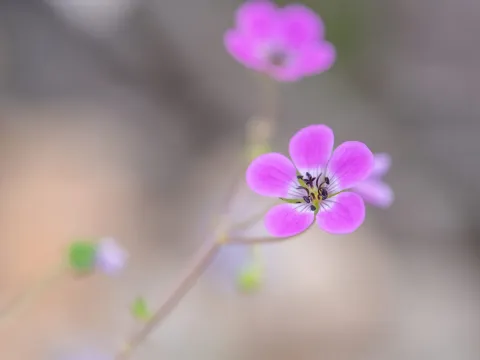
Geranium trilophum
Geranium trilophum
Geranium trilophum is a perennial herbaceous plant belonging to the Geraniaceae family. Cultivation of this species requires a methodical approach to seed preparation and soil management to ensure successful establishment in the field.
What the section contains
Geranium trilophum
Seeds are ideally sown during the autumn or early spring period. The seeds require a cold stratification process for several weeks to break dormancy and ensure a uniform germination rate across the planting area.
If utilizing greenhouse propagation, sowing begins in late winter within shallow trays filled with a well-draining, sterile potting mix. Providing consistent warmth and supplemental lighting is essential for developing strong seedlings.
Transplanting into the field should occur once the soil has warmed up and the risk of frost has passed. Spacing is crucial for this species, with a recommended density of 5 to 7 plants per square meter to prevent overcrowding.
Selecting an appropriate site is fundamental to success. The site must be cleared of weeds and debris, with soil tilled to a depth of at least 20 centimeters to allow for optimal root system expansion.
The plant thrives in fertile, well-draining soils with a neutral pH balance. Soils that are high in organic matter content tend to yield the best growth results for the plant's foliage and flower production.
While the plant shows moderate drought tolerance, regular irrigation is advised during periods of active growth and flowering. However, gardeners must avoid waterlogged conditions, which can lead to rapid root decay.
Fertilization schedules should focus on balanced NPK applications at the beginning of the growing season. Supplementary feeding during the bud development stage can significantly improve the overall yield of the plant.
Geranium trilophum exhibits strong resilience to fluctuating temperatures and can withstand moderate winter cold. This hardiness makes it an ideal candidate for low-maintenance perennial plantings in many temperate regions.
Sunlight exposure is a critical factor for vigor. While the plant can tolerate partial shade, maximum biomass production is typically observed in locations with full sun throughout the majority of the day.
Powdery mildew is the most significant pathological threat, particularly in high-humidity climates or areas with stagnant airflow. It appears as a fine, white powdery coating on the surface of the leaves.
Root rot is often the result of excessive soil moisture and poor drainage. This issue can be mitigated by ensuring proper slope management and avoiding the accumulation of surface water near the base of the plant.
Aphids and spider mites are the most prevalent insect pests that affect this crop. Monitoring the undersides of leaves regularly allows for prompt intervention with environmentally friendly soaps or horticultural oils.
Leaf rollers can occasionally damage the foliage, though they rarely cause fatal harm. Manual removal or biological control agents are usually sufficient to manage minor infestations without the need for heavy chemicals.
Good agricultural practice, including crop rotation and the prompt removal of infected plant residues, is the best defense against persistent soil-borne diseases and pest re-infestation cycles.
Harvesting should be timed to coincide with the peak flowering period, when the plant's essential oils and medicinal compounds are most concentrated. This maximizes the economic value of the raw material.
The foliage and stems should be harvested using sharp, sterilized shears. It is standard practice to cut the plant roughly 10 centimeters above the ground to promote rapid vegetative regrowth for future seasons.
Drying must take place in a well-ventilated, shaded area or a temperature-controlled drying kiln. Keeping the temperature below 40 degrees Celsius prevents the degradation of delicate volatile compounds.
Once fully dried, the harvest should be sorted to remove any unwanted debris. Proper storage in airtight, dark containers is necessary to maintain the shelf life and potency of the dried product for up to two years.
The applications for Geranium trilophum are diverse, ranging from traditional medicine to specialized chemical and cosmetic industries, reinforcing its importance as a versatile and sustainable agricultural crop.