
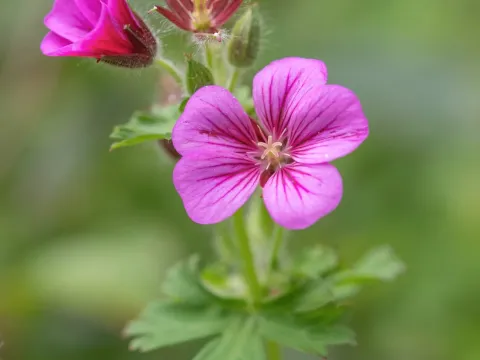
Geranium polyanthes
Geranium polyanthes
Geranium polyanthes is a perennial herbaceous plant belonging to the Geraniaceae family, native to regions with moderate climates and diverse soil types.
What the section contains
Geranium polyanthes
Sowing in open ground should be timed for early spring, once the soil has adequately thawed and reached a consistent temperature for germination.
Greenhouse propagation via seeds in winter allows for a prolonged growing season and stronger establishment of seedlings before transplanting.
Rhizome division is highly recommended for commercial production, providing a reliable way to maintain the structural integrity and health of the plant stock.
Proper spacing is crucial during planting to ensure that each plant has enough space to develop its root system and foliage without competing for resources.
The crop thrives in well-drained, moderately fertile soil, preferring a neutral or slightly acidic environment to maximize nutrient uptake.
While tolerant of various light conditions, full exposure to sunlight generally enhances the blooming capacity and structural density of the plant.
Consistent moisture management is necessary; however, the soil should never become waterlogged as this increases the risk of root rot.
Mulching is an essential practice in the agrotechnical management of Geranium polyanthes to suppress weed growth and maintain constant soil temperature.
Balanced fertilization throughout the vegetation phase ensures healthy development, particularly focusing on nitrogen for growth and potassium for flowering.
Common fungal diseases including powdery mildew and Botrytis are the primary threats to crop health in environments with poor air circulation.
Pests such as aphids and spider mites can cause significant damage to the plant tissue if not addressed immediately upon identification.
Implementing an integrated pest management strategy, including the use of beneficial insects or targeted treatments, is essential for large-scale cultivation.
Regular sanitation of the field, including the removal of dead plant material, is the most effective way to prevent the overwintering of pathogens.
Constant monitoring of plant health, especially during humid weather conditions, is vital for maintaining high yields and aesthetic quality of the plants.