
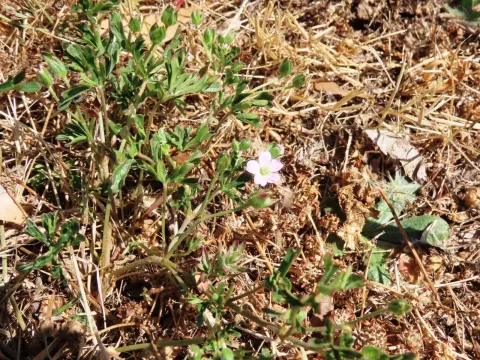
Geranium retrorsum
Geranium retrorsum
Geranium retrorsum is a member of the Geraniaceae family, known for its distinct perennial growth habit. This plant is native to the diverse landscapes of Australia and New Zealand, where it thrives in various temperate and subtropical environments.
What the section contains
Geranium retrorsum
The botanical structure of this species includes finely divided foliage with a soft, pubescent texture. The flowers are typically small but numerous, appearing in shades ranging from light pink to a deep purplish hue during the peak growing season.
Regarding site requirements, the plant prefers well-drained, fertile soil with a neutral or slightly acidic pH level. It does not tolerate waterlogging, as the root system is highly susceptible to hypoxia if the soil remains saturated for extended periods.
Exposure to full sun or partial shade is ideal for this culture. Sufficient light levels ensure that the plant maintains its compact form, whereas deep shade often leads to leggy growth and significantly reduced flowering production throughout the year.
In landscape design, this species is highly regarded for its soil-binding properties and aesthetic appeal. It is commonly used as a groundcover in rock gardens or as an edging plant in borders, where it provides consistent greenery and seasonal color.
The primary threats to this plant are fungal diseases induced by high humidity and poor air circulation. Powdery mildew is a recurring issue that requires consistent monitoring and appropriate fungicidal intervention during humid weather cycles.
Common pests that infest Geranium retrorsum include spider mites and aphids. These insects thrive in dry, warm conditions and can cause significant damage to the plant if not controlled through manual removal or biological insecticidal soaps.
Root rot caused by excessive irrigation is a physiological threat that can lead to rapid plant decline. Careful moisture management is essential to maintain a healthy root zone, ensuring the soil remains moist but never waterlogged.
To support plant health, growers should practice regular sanitation, such as removing senescing flowers and dead stems. This practice minimizes the risk of pathogens finding suitable environments for colonization within the dense foliage canopy.
Environmental stress, such as extreme heat or unexpected cold snaps, can weaken the plant's natural defenses. Providing mulch around the base of the plant helps regulate soil temperature and moisture levels, contributing to overall plant resilience.