
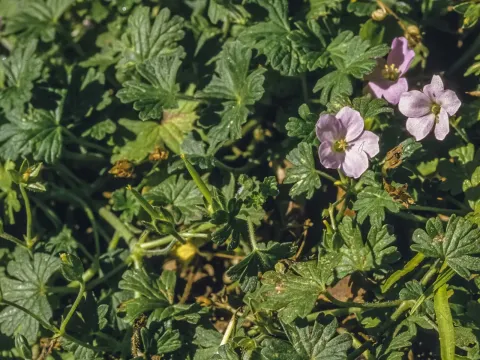
Geranium solandri
Geranium solandri
Sowing Geranium solandri seeds is best accomplished during the spring months when soil temperatures consistently favor germination. Seeds benefit from a short period of cold stratification, which helps break dormancy and promotes uniform emergence of healthy seedlings.
What the section contains
Geranium solandri
The seeds should be sown shallowly, ideally at a depth of no more than 1 centimeter, using a well-draining, high-quality seedling mix. Maintaining consistent surface moisture is crucial during the first few weeks of development to ensure strong initial root formation.
Vegetative propagation via root division is also a highly effective method for multiplying mature specimens. Dividing the rootstock should be performed either in early spring or late autumn, ensuring each section has a viable portion of the crown and active roots.
Using a seed tray in a greenhouse environment can provide superior protection against unpredictable weather and soil pathogens during the early growth stages. Once the seedlings develop several true leaves, they can be hardened off and transplanted into their permanent locations.
Spacing is essential for the long-term health of the crop, as overcrowding can lead to diminished vigor and increased humidity around the foliage. Providing enough room for airflow will result in stronger, more resilient plants that thrive throughout the growing season.
Geranium solandri is a perennial species within the Geraniaceae family, native to regions including parts of Australia. It is well-adapted to varied environmental conditions, requiring a balance of light and moisture to maintain its natural growth habit and floral display.
The plant thrives in temperate climates and performs best when planted in well-drained, fertile soils rich in organic matter. While it shows some tolerance to temporary drought, consistent moisture levels during the peak growth phase will maximize overall plant biomass.
Light requirements for this species range from full sun to partial shade, depending on the intensity of the regional climate. In hotter regions, protection from the harsh afternoon sun is recommended to prevent leaf scorching and excessive dehydration of the soil.
Good soil structure is paramount, and incorporating compost or well-rotted manure before planting will enhance both fertility and aeration. If the native soil is heavy clay, amending it with organic materials or coarse sand will prevent waterlogging around the root system.
Maintenance includes regular monitoring for nutrient deficiencies and providing a balanced fertilizer during the early vegetative stage. Mulching around the base of the plant helps suppress weeds and retains soil moisture, reducing the need for frequent supplemental watering.
The primary threats to Geranium solandri include various fungal pathogens that thrive in damp or poorly ventilated conditions. Powdery mildew is a common issue that manifests as a white coating on leaves, which should be treated with appropriate organic fungicides.
Root rot is a critical concern, usually resulting from over-irrigation or inadequate soil drainage. If the soil remains saturated for too long, the root system loses its ability to uptake nutrients, leading to rapid decline of the entire plant structure.
Pests such as aphids and spider mites can colonize the foliage and flowers, causing visible damage by draining plant sap. Regular inspection of the plant canopy allows for early detection, enabling manual removal or the application of insecticidal soaps as necessary.
Slugs and snails may target the succulent growth of young plants, especially during prolonged wet weather. Implementing protective barriers like crushed gravel or diatomaceous earth can effectively discourage these pests from reaching the vulnerable parts of the plant.
Good cultural practices, such as removing dead foliage and maintaining adequate spacing, are the best defense against disease outbreaks. A clean growing environment reduces the presence of spores and insects, ensuring the longevity and health of the Geranium solandri crop.