
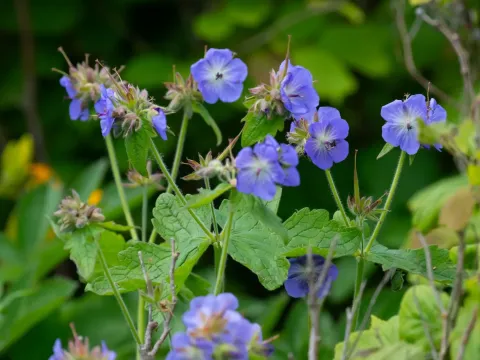
Geranium platyanthum
Geranium platyanthum
Geranium platyanthum is a robust perennial herb belonging to the Geraniaceae family. The crop is typically propagated by sowing seeds in the autumn or by dividing established rootstocks in the spring to ensure optimal growth.
What the section contains
Geranium platyanthum
Seed sowing involves placing seeds into prepared soil, ideally requiring a period of cold stratification to break dormancy. A planting depth of 1-2 centimeters is recommended to protect the seeds while allowing for effective emergence.
When using vegetative propagation, the rhizome division should be performed carefully, ensuring each section has healthy buds. Spacing the plants 40-50 centimeters apart encourages strong root development and prevents overcrowding.
The plant demonstrates excellent winter hardiness, allowing it to thrive in diverse climatic conditions. Its lifespan is quite long, often remaining productive for over a decade if managed correctly with consistent field maintenance.
Field preparation includes deep tillage to improve aeration and the addition of organic compost. Once established, the crop requires minimal intervention, primarily focusing on weed management during the initial growth stages.
Geranium platyanthum prefers fertile, well-drained loamy soils with a neutral or slightly acidic pH. Waterlogging must be strictly avoided, as the root system is susceptible to decay if exposed to excessive moisture for prolonged periods.
Regarding light exposure, the plant performs best in partial shade to filtered sunlight. While it can tolerate brighter light, adequate hydration is essential to prevent leaf scorch during the peak of summer temperatures.
The climate requirement centers on temperate conditions, reflecting its native habitat in East Asia. The plant is well-adapted to fluctuating seasonal temperatures and does not require extensive winter protection in most temperate zones.
Soil enrichment using organic matter such as well-rotted manure or compost significantly boosts plant vigor. Applying balanced fertilizers during the early spring season supports healthy foliage production and blooming.
Watering should be consistent throughout the active growth phase, particularly during the onset of the flowering season. While established plants show some drought tolerance, supplemental irrigation is necessary to maximize yield.
The economic value of Geranium platyanthum lies in the harvested green biomass, which is utilized for its chemical properties, including high concentrations of tannins. Yield potential is influenced by planting density and nutrient availability.
Harvesting is typically carried out during the peak flowering stage to ensure the highest concentration of bioactive compounds. Immediate and controlled drying is essential to prevent degradation of the plant material.
In landscaping and ground cover applications, the yield is measured by the plant's ability to create a thick, weed-suppressing mat. This functional quality makes it a valuable species for soil conservation projects.
With intensive management, yield targets for dry raw material can reach significant levels per hectare. Periodic rejuvenation of the plantation is vital to maintain consistent biomass production over long-term operations.
Quality control during post-harvest handling is critical, involving proper moisture management and storage in cool, dark environments. These practices preserve the pharmacological efficacy of the botanical product.
Fungal infections, such as powdery mildew and leaf spot diseases, are the primary threats to crop health. High humidity levels combined with poor air circulation significantly increase the risk of these outbreaks.
Pests like spider mites can cause damage, especially in warmer and drier conditions. Regular scouting is recommended to detect early infestations and implement integrated pest management strategies promptly.
Nematode infestations in the roots may lead to stunted growth and reduced crop vigor. Crop rotation and using certified, disease-free starting material are fundamental practices for minimizing these biological risks.
Gastropods, including slugs, may cause surface damage to young leaves, particularly in damp areas. Maintaining clear pathways and physical barriers helps mitigate the pressure from these common garden pests.
Proactive management of environmental conditions, such as ensuring adequate spacing, remains the most effective defense. Keeping the plantation healthy through proper hygiene significantly reduces the need for chemical interventions.