
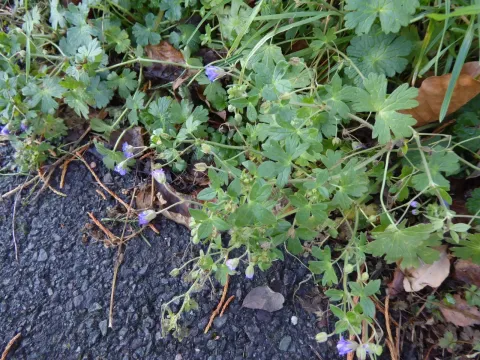
Hedgerow cranesbill
Geranium pyrenaicum
Geranium pyrenaicum is typically propagated through seeds, which provides a robust foundation for the plant's life cycle. The best time for sowing outdoors is late spring, once the soil has warmed up and the risk of harsh frost has passed, ensuring favorable conditions for germination.
What the section contains
Hedgerow cranesbill
For better results, seeds can be stratified for a couple of weeks before planting. Sowing at a shallow depth of about 1-2 centimeters is recommended to provide optimal germination levels while maintaining enough space between plants to allow for airflow and healthy growth.
Sowing in autumn is also a viable method, as it allows seeds to undergo a natural dormancy period during winter. This approach often results in stronger and earlier emergence when the spring temperatures rise, promoting vigorous development throughout the growing season.
When starting seeds in containers, ensure they are kept in a well-lit area to prevent leggy growth. Transplanting young seedlings to their permanent garden spot should be done carefully after the last frost to avoid temperature shock.
The soil should be kept consistently moist during the germination phase to support the developing roots. Proper spacing is crucial to prevent competition for nutrients and water, which ultimately leads to a higher survival rate for the crop.
Belonging to the Geraniaceae family, Geranium pyrenaicum is a resilient herbaceous perennial known for its adaptability in various landscapes. It thrives best in locations with full sun to partial shade, showing high tolerance to changing environmental conditions.
The plant prefers well-drained soil, specifically loamy or sandy compositions that allow for optimal root respiration. Neutral to slightly alkaline pH levels are generally preferred, while heavy, waterlogged soils should be avoided to prevent root damage.
Although it exhibits moderate drought tolerance once established, consistent moisture during the blooming season significantly improves flower production and foliage quality. Regular watering is key to maintaining the plant's aesthetic appeal in dry climates.
Fertilization should be applied at the beginning of the growth phase to ensure that the plant has enough energy for foliage expansion. Using balanced mineral fertilizers helps in sustaining healthy growth and vibrant flower colors throughout the summer months.
Cold hardiness is one of the key strengths of this species, allowing it to survive temperate winters without requiring additional protection. Its low-maintenance nature makes it an excellent choice for various gardening projects and landscape management.
Geranium pyrenaicum is generally resistant to many common plant diseases, but neglect of basic cultural practices can lead to fungal infections. Powdery mildew is the most frequent issue, especially in environments with poor air circulation and high relative humidity.
Root rot is a potential risk in areas with improper drainage or excessive watering regimes. To mitigate these risks, it is essential to ensure that the soil drains well and that the plants are not overcrowded, which helps in preventing pathogen buildup.
Pests like aphids and spider mites may occasionally target the younger, more succulent parts of the plant. These can be managed through biological control methods or selective use of insecticides if an infestation is detected at an early stage.
Nematodes are rare but can be a concern in poorly managed soil; therefore, practicing good hygiene in the garden is essential. Removing weeds and cleaning up dead debris around the plants helps in maintaining a cleaner, healthier growing environment.
Proactive care, including regular inspection of leaves and monitoring soil moisture levels, is the best defense against threats. Keeping the plants healthy and well-nourished will strengthen their natural immunity and ensure a successful growing season.