
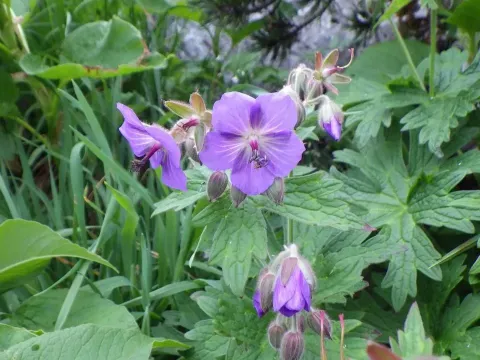
Geranium reinii
Geranium reinii
Geranium reinii is a hardy perennial belonging to the Geraniaceae family. Native to the mountain regions of Japan, this species has evolved to thrive in cool, moist environments, making it a valuable addition to rock gardens and shaded borders.
What the section contains
Geranium reinii
Propagation is typically achieved through seed germination or vegetative division of mature rootstocks. When sowing seeds, it is recommended to stratify them in late autumn, mimicking natural conditions to improve the germination rate in the spring.
For greenhouse cultivation, seeds should be sown in a well-draining, sterile peat-based mix. Maintaining a consistent temperature between 15°C and 20°C ensures optimal development of seedlings before they are hardened off for transplanting.
When dividing the plant, ensure that each segment contains a healthy portion of the rhizome and a few growth buds. This process should be performed in early spring or late summer to allow the root system to establish itself before extreme temperatures arrive.
Proper spacing is crucial when planting out. Placing individual plants at intervals of 30–40 cm allows for adequate airflow, which is essential for the long-term health and vigor of this perennial species.
Geranium reinii performs best in partial shade, mimicking its natural mountainous habitat. Intense, direct sun exposure during mid-afternoon should be avoided, as it can cause desiccation and leaf burn on the foliage.
The soil requirements focus on fertility and moisture management. A loamy, humus-rich soil with a neutral to slightly acidic pH is ideal. Good drainage is non-negotiable to prevent root rot during periods of heavy rainfall.
Watering should be regular, keeping the soil consistently moist but never waterlogged. During dry spells, supplemental irrigation is necessary to maintain the plant's structural integrity and aesthetic appeal.
Regarding climate, the plant is quite resilient to cold temperatures. It remains dormant during winter and reliably returns in the spring, provided the crown is protected from prolonged freezing conditions by a layer of mulch.
Nutrient management involves applying a balanced, slow-release fertilizer in early spring. This promotes lush foliage growth and stimulates the production of the plant's characteristic delicate blossoms throughout the season.
The most significant threat to Geranium reinii is root rot, particularly in heavy or poorly drained soils. Symptoms include yellowing leaves and a general decline in plant vigor, often leading to sudden collapse.
Aphids and spider mites are common pests that tend to infest the plant during hot, dry weather. Regular monitoring of the underside of the leaves is advised, with organic soap sprays or targeted insecticides used for control.
Powdery mildew can become an issue when humidity is high and airflow around the plants is insufficient. Proper pruning of overcrowded foliage can drastically reduce the incidence of this fungal disease.
Nematodes are potential subterranean pests that can cause stunted growth. Using certified, disease-free planting stock and maintaining soil health are the best preventative measures against these threats.
Maintenance of overall plant hygiene is key. Removing dead or diseased plant material throughout the growing season prevents the buildup of pathogens and keeps the planting site clean and healthy.