
Geranium pylzowianum
Geranium pylzowianum
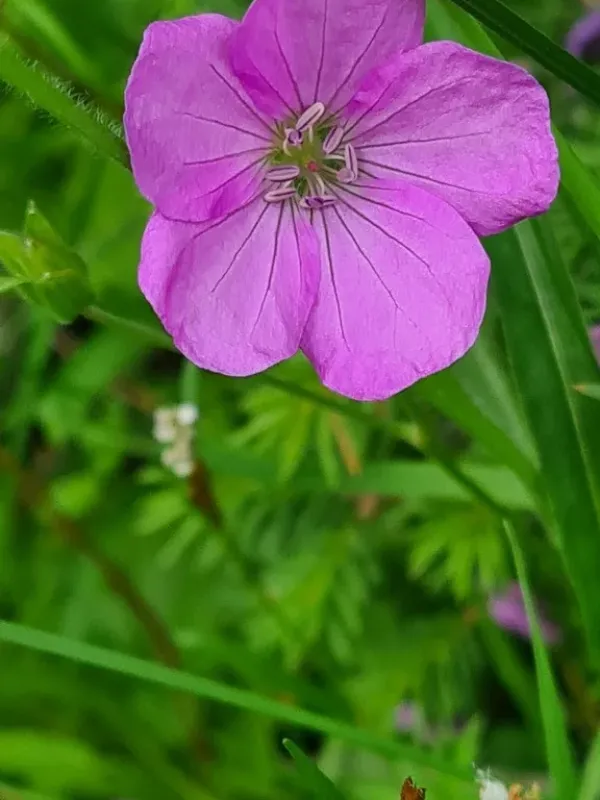
Description
Growing requirements
Geranium pylzowianum is a perennial herbaceous plant belonging to the Geraniaceae family. This species is known for its dwarf growth habit and its ability to spread rapidly via thin underground stolons, forming dense, low-growing mats.
Originating from the high-altitude regions of China, specifically Sichuan and Gansu provinces, this plant is well-adapted to alpine and subalpine environments. Its natural habitat includes rocky slopes and mountain meadows, reflecting its resilience to harsh conditions.
For successful cultivation, the crop requires well-drained soil with a neutral to slightly acidic pH. While it is adaptable to various soil types, providing excellent drainage is critical, as stagnant water is detrimental to its root system.
The plant thrives in full sun but performs exceptionally well in partial shade during the peak of summer heat. Its hardiness makes it an ideal candidate for rock gardens and ground cover in cooler temperate climates where moisture is consistent.
Agronomic management involves minimal intervention. Periodic top-dressing with organic matter in early spring encourages healthy foliage development and extends the flowering period, ensuring that the plant maintains its structural integrity throughout the season.
Main diseases and pests
Geranium pylzowianum is generally considered a robust species with few serious health issues. However, poor air circulation in dense plantings can lead to the development of powdery mildew, which manifests as a white powdery coating on leaves.
Aphids represent the most common insect threat, particularly affecting young, tender growth during the spring flush. Monitoring is essential, and minor infestations can often be managed through simple mechanical removal or natural insecticidal soaps.
Spider mites may occasionally occur during prolonged dry, hot spells. Increasing humidity around the plant and ensuring the soil remains moist enough to support healthy plant vigor can prevent significant mite damage from occurring.
Root rot is the primary physiological disorder associated with poor drainage or overwatering. Preventing waterlogged conditions is the best defense against soil-borne pathogens that target the root crown of the plant during the dormant period.
To ensure long-term health, growers should maintain adequate space between individual clusters to promote airflow. Prompt removal of any necrotic or infected tissue is recommended to prevent the spread of fungal spores across the planting bed.