
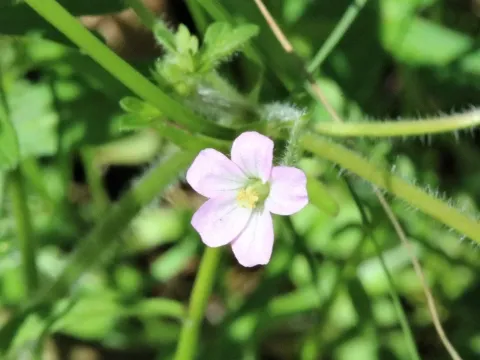
Hairy geranium
Geranium pilosum
The sowing of Geranium pilosum seeds is typically conducted in the spring when soil temperatures stabilize. Early April or May is considered the ideal time, as the risk of late frosts, which can damage seedlings, has passed.
What the section contains
Hairy geranium
These seeds have moderate germination rates, so agronomists often recommend scarification to improve success. The sowing depth should be between 1 and 2 centimeters to ensure adequate soil cover while allowing the seedling to emerge efficiently.
In greenhouse or indoor environments, sowing can begin as early as February to produce strong seedlings. This propagation method significantly accelerates the plant's growth cycle and ensures earlier flowering.
Maintaining consistent moisture in the substrate until emergence is critical for success. Prolonged dry spells during this phase can lead to significant losses in the total seed population.
Once the first set of true leaves appears, the seedlings should be pricked out. Providing sufficient space for root system development at this stage is essential for future plant health.
Geranium pilosum thrives in well-drained, fertile soils with a neutral or slightly acidic pH level. The plant is sensitive to waterlogging, necessitating the addition of sand or gravel to heavy clay soils to improve drainage.
As a light-loving species, it performs best in full sun but can tolerate partial shade during intense heat. In regions with high solar radiation, selecting areas with dappled light helps prevent leaf scorch.
The optimal temperature range for development is between 18 and 24 degrees Celsius. While it possesses moderate winter hardiness, protective mulch or covering is recommended in regions prone to severe frosts.
Watering should be moderate but regular, especially during the active vegetative growth phase. Increased moisture is required during the flowering stage, but the root zone must remain free from excessive water saturation.
Mineral fertilizers should be applied twice per season: once in early spring to support foliage growth and once before the budding stage to promote flower density. Organic compost is also highly beneficial for long-term soil structure.
The primary threats to Geranium pilosum include fungal diseases that flourish in high-humidity conditions. Gray mold and powdery mildew are the most common pathogens, affecting both foliage and stems.
Management of fungal issues involves the prompt removal of infected plant material and the application of systemic fungicides. Ensuring adequate spacing and good airflow between plants is the best preventive measure.
Pests such as aphids and spider mites pose significant risks by feeding on the plant's sap. Heavy infestations can lead to leaf deformation, stunted growth, and a general decline in plant vigor.
Effective control involves the use of broad-spectrum insecticides or biological controls. Regular inspection of the plant canopy is necessary to catch and treat infestations before they spread across the crop.
In large-scale plantings, protecting the root zone from rodents is a common challenge. Planting natural repellent crops around the field perimeter can serve as an effective integrated management strategy.