
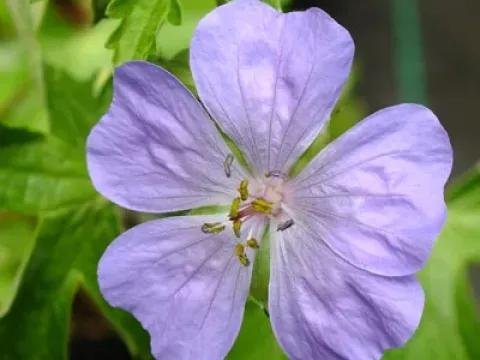
Lebanon geranium
Geranium libani
Geranium libani is propagated primarily through seed sowing in spring or by dividing mature clumps during the dormant period. Seeds are best sown in trays and kept in a cool, well-lit environment to ensure strong germination.
What the section contains
Lebanon geranium
For outdoor sowing, it is recommended to prepare the seedbed in autumn to allow for natural stratification of seeds. This improves germination rates when temperatures begin to rise in early spring.
Division should be performed when the plant is not in its active flowering stage. Early spring is ideal, as it allows the roots to establish themselves before the onset of summer heat and potential drought conditions.
When transplanting divisions, ensure the root ball is kept moist and shaded for the first few days. Proper spacing of 45 centimeters between plants is essential to prevent overcrowding and allow air circulation.
Young plants benefit from a light layer of compost added to the soil at the time of planting. This provides the necessary nutrients for initial growth without burning the tender root systems of the seedlings.
Geranium libani belongs to the Geraniaceae family and is native to the rocky, mountainous regions of Lebanon. It is a robust perennial designed to thrive in well-draining, calcareous soil types.
This species requires full sun to partial shade. In its natural habitat, it survives in high-altitude environments, meaning it is highly tolerant of temperature fluctuations and cool nights.
Soil drainage is the most critical factor for success. The plant does not tolerate waterlogged conditions, which can lead to crown rot. Incorporating sand or fine gravel into heavier soils is recommended to improve structure.
Maintenance involves cutting back foliage after the first flush of flowering. This practice encourages a second wave of blooms later in the season and keeps the plant looking tidy and healthy.
In terms of moisture, the plant is relatively drought-tolerant once established. However, during the height of the summer, consistent watering will promote more vigorous leaf growth and longer flowering periods.
The primary threats to Geranium libani include fungal pathogens such as powdery mildew, which thrive in environments with stagnant air and high humidity. Proper spacing helps to mitigate this risk.
Root rot caused by poor soil drainage remains a significant risk. If the soil remains saturated for extended periods, the plant's health will rapidly decline, necessitating immediate soil amendment or relocation.
Aphids and spider mites are the most common pests affecting this species. They typically appear on the undersides of leaves, causing discoloration and stippling that can weaken the overall plant vitality.
Integrated pest management is recommended, starting with mechanical removal or water sprays before resorting to chemical insecticides. This approach preserves beneficial insect populations in the garden.
Sanitation is key to disease prevention. Removing old, dead foliage in the winter prevents spores of common fungi from overwintering and reinfecting the new growth in the following season.