
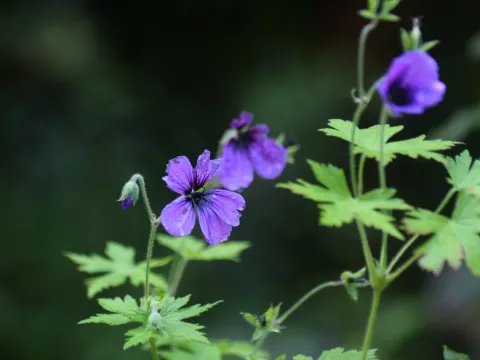
Geranium procurrens
Geranium procurrens
Geranium procurrens is a vigorous, rhizomatous perennial plant belonging to the Geraniaceae family, widely appreciated for its ground-covering habits.
What the section contains
Geranium procurrens
Propagation is typically achieved through seeds, which require stratification to break dormancy and ensure uniform germination across the crop.
Direct outdoor sowing is best performed in late autumn, allowing the seeds to undergo natural temperature cycles that mimic their native Himalayan habitat.
When starting in containers, maintain a temperature range of 15–20 degrees Celsius and provide bright indirect light to support initial seedling development.
Once seedlings are sturdy enough, they should be transplanted to a well-prepared bed, ensuring each plant has adequate space to spread its foliage.
This species thrives in moist, well-draining, and humus-rich soils, reflecting its natural origins in mountain forest clearings.
While the plant is quite versatile, it performs best in semi-shaded areas where it is protected from the harshest direct afternoon heat.
Regular irrigation is necessary to maintain moisture levels, particularly during the active growing season, but waterlogging must be strictly avoided.
Soil improvement with organic compost prior to planting significantly boosts the vigor and flowering capacity of the Geranium procurrens colonies.
Low-maintenance care includes light annual pruning and removal of debris to maintain the tidiness and health of the sprawling plants.
Powdery mildew is the primary pathological threat, often occurring in damp, stagnant air conditions that prevent proper leaf transpiration.
Root rot, driven by poor drainage or excessive soil moisture, can severely damage the rhizomes and reduce the density of the ground cover.
Aphids may occasionally infest new shoots, requiring careful monitoring and the application of horticultural soaps if populations increase significantly.
Integrated pest management strategies, such as attracting beneficial insects, are recommended to control unwanted pests without harsh chemicals.
Maintaining adequate spacing between plants is the most effective cultural practice to prevent the rapid spread of fungal infections.