
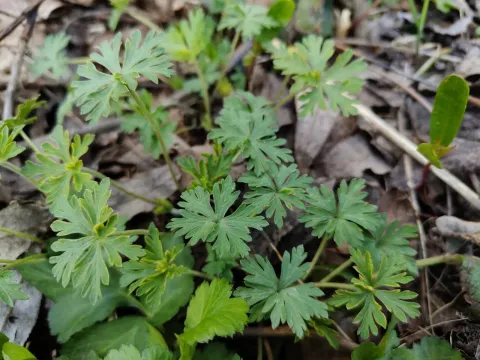
Siberian geranium
Geranium sibiricum
Siberian geranium is a perennial herbaceous plant from the Geraniaceae family. Cultivation typically begins with seeds, which require a cold stratification period to achieve optimal germination rates before being sown in spring.
What the section contains
Siberian geranium
Sowing should be performed in well-prepared, loose soil at a depth of 1-1.5 centimeters. The seeds show high viability when placed in early spring as soon as the soil has thawed and warmed up sufficiently.
If grown as a greenhouse start, seeds are sown in trays during March. The seedlings are moved to individual pots after the emergence of the first true leaves, which helps build a robust root system before field transplantation.
Spacing is critical for the long-term health of the crop. Planting rows should be spaced at least 40 centimeters apart to prevent overcrowding and ensure that each plant receives adequate ventilation and light.
Natural propagation often occurs through self-seeding, as the plant disperses seeds effectively. In commercial settings, managing this self-seeding potential is essential to maintain row integrity and crop density.
The Siberian geranium thrives in well-drained, moderately fertile soils with a pH ranging from slightly acidic to neutral. It is highly adaptable to various soil structures but performs best in loamy substrates with organic enrichment.
This species is highly photophilous and requires full sun exposure to produce high biomass and strong, healthy stalks. In shaded conditions, the plant tends to stretch, which reduces its overall vigor and botanical quality.
The climate requirements are largely defined by its natural distribution in cold-temperate zones. The plant is extremely cold-hardy, surviving severe winters in the Siberian region without specific protection measures.
Water management is crucial during the initial growing stages. While the plant can tolerate short periods of drought once established, consistent moisture promotes higher yields and denser leaf formation during the growing season.
Field maintenance includes regular cultivation and hoeing to manage weeds, particularly in the first year of growth. Once established, the dense growth of the plant usually suppresses most competitive weed species.
Fungal pathogens such as powdery mildew are the most common threats to this crop. These diseases are often triggered by excessive moisture and poor air circulation within the canopy of the plants.
Pests like aphids and spider mites can cause significant damage during hot and dry summer months. They feed on plant sap, which stunts growth and reduces the quality of the harvested botanical parts.
To mitigate the risk of disease, farmers should practice strict sanitation by removing decaying plant matter. Maintaining proper row spacing helps minimize the microclimate conditions that favor mold and fungus growth.
When pests are detected, targeted biological controls or appropriate organic pesticides should be applied to prevent population spikes. Frequent monitoring of the underside of leaves is recommended for early detection.
Integrated pest management strategies should focus on preventive measures. By strengthening the plant's health through optimal site selection and balanced nutrition, the need for chemical intervention is greatly reduced.