
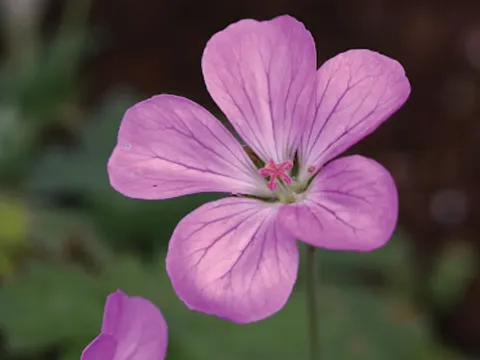
Riverslea geranium
Geranium riversleaianum
The Riverslea geranium (Geranium × riversleaianum) is a perennial hybrid belonging to the Geraniaceae family. It is typically propagated through vegetative means, such as root division or stem cuttings, rather than through seed sowing, to maintain its specific cultivar characteristics.
What the section contains
Riverslea geranium
The best time for division is early spring as the plant begins its active growth phase or in autumn when the soil is still warm enough for rooting. Gardeners should ensure that each division has a healthy portion of the root system and at least a few strong shoots.
When planting, ensure adequate spacing between specimens—typically 40 to 50 centimeters. This density promotes healthy air circulation, which is crucial for preventing damp-related foliage diseases and ensuring optimal development.
Proper soil preparation is essential before planting. Mixing in well-rotted organic matter or compost helps improve the structure and fertility of the soil, providing the necessary nutrients for a quick establishment.
Immediate irrigation after planting is necessary to eliminate air pockets in the soil and to settle the roots into the medium, ensuring the plant can begin drawing nutrients efficiently.
Riverslea geraniums thrive in temperate climates and are well-known for their hardiness. They prefer well-draining soil that is rich in organic matter, though they are adaptable to various soil types provided there is no waterlogging.
The plant requires a site with full sun or partial shade. While they are resilient to short dry spells, consistent moisture during the peak summer months results in more vigorous growth and a longer flowering period.
Maintaining a neutral to slightly acidic pH level in the soil is ideal. Regular application of a balanced liquid fertilizer during the growing season can boost flower production and ensure the foliage remains lush and healthy.
Winter care is relatively minimal in regions with moderate winters. However, in colder zones, applying a layer of organic mulch around the base of the plant can provide valuable protection against severe frost cycles.
Regular maintenance involves deadheading spent flowers throughout the summer. This practice not only keeps the plant looking tidy but also encourages the development of new buds for continuous blooming.
The primary threats to Geranium × riversleaianum are fungal pathogens, specifically powdery mildew, which can develop when environmental conditions are too humid or when the plants are overcrowded with poor airflow.
Insects such as aphids and spider mites can occasionally affect the plant, particularly in sheltered or very hot locations. Monitoring the undersides of leaves is recommended for early detection of these pests.
Preventative cultural practices are the most effective way to manage risks. This includes ensuring proper spacing, avoiding overhead irrigation that wets the leaves, and promptly removing any diseased plant material from the area.
Slugs and snails can also pose a problem in damp conditions, targeting fresh spring growth. Barriers or organic deterrents can be employed to protect the plants if such pests are observed in the garden.
- Ensure proper plant spacing to improve ventilation.
- Avoid overhead watering to keep foliage dry.
- Regularly remove spent blooms and debris.
- Use systemic fungicides only if preventative measures fail.
- Monitor for early signs of pest infestation weekly.