
Soboliferous cranesbill
Geranium soboliferum
Description
Growing requirements
The soboliferous cranesbill (Geranium soboliferum) is a perennial herbaceous plant belonging to the Geraniaceae family. It is recognized for its robust rhizomatous growth habit, which allows it to thrive and spread effectively in temperate climate zones.
The species is native to East Asia, including regions across the Russian Far East, Korea, and Japan. In its natural habitat, it occupies forest edges and mountainous slopes, indicating a high level of resilience to varying environmental stressors.
Successful cultivation requires well-drained, fertile soil rich in organic matter. While the plant shows preference for partial shade to full sun, it is essential to ensure that the soil remains consistently moist but not waterlogged during the active growing season.
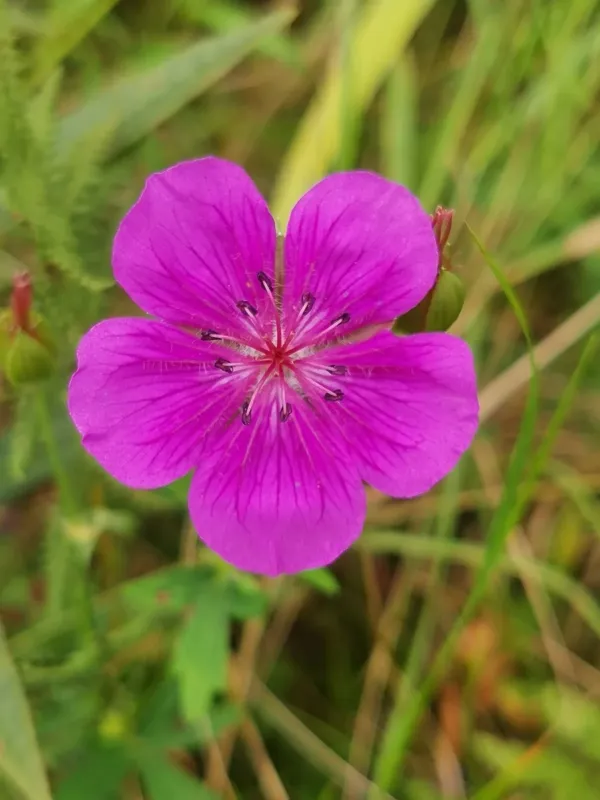
Botanically, Geranium soboliferum features deeply lobed foliage and delicate five-petaled flowers, typically ranging from pink to purple. The plant's architecture allows it to function as an effective ground cover when given sufficient space to develop.
Agrotechnical management involves annual soil enrichment and consistent moisture control. The plant is noted for its excellent cold hardiness, making it a reliable perennial that does not require specialized winter protection in typical temperate environments.
Main diseases and pests
The primary threats to Geranium soboliferum are fungal infections, particularly root rot, which typically arise in poorly drained or overly saturated soil conditions. Ensuring proper drainage is the most effective preventative measure against these pathogens.
Pests such as aphids and spider mites may occasionally infest the plant, feeding on the undersides of leaves and sucking plant juices. Regular monitoring and physical removal of infested foliage are recommended to maintain plant vitality.
Powdery mildew can become an issue if plants are spaced too closely, which restricts airflow and creates stagnant humidity. Maintaining recommended planting distances is crucial for reducing the risk of this common fungal disease.
Biological pest control agents are preferred to manage insect populations without disrupting the local ecosystem. Chemical interventions should be used sparingly and only as a last resort, following local agricultural safety protocols.
Good cultural practices, such as removing debris and preventing weed competition, play a key role in supporting the overall health of the crop. Robust plants are naturally better equipped to withstand environmental pressure and secondary infections.