
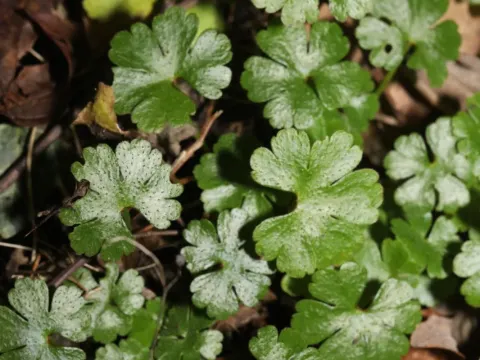
Shining cranesbill
Geranium lucidum
Shining cranesbill is an annual herbaceous plant that reproduces effectively through seed dispersal. In agricultural or garden settings, seeds are typically sown in early spring or autumn to mimic natural cycles.
What the section contains
Shining cranesbill
The seeds should be sown shallowly, barely covering them with fine soil, as they require sufficient light to trigger the germination process successfully.
When starting indoors, maintain a consistent temperature of around 18–20 degrees Celsius. Ensure the potting medium remains moist but never waterlogged during the early seedling stage.
Thinning the seedlings is a necessary step to ensure each plant has adequate space to develop its characteristic glossy leaves and branching structure.
Hardening off the plants before transplanting them into the final location is recommended to improve their resilience against fluctuating external temperatures.
Geranium lucidum thrives in semi-shaded locations with well-draining, moderately fertile soil. It is particularly known for its tolerance to lime-rich substrates.
Watering requirements are moderate. While the plant appreciates consistent moisture, it is sensitive to water stagnation, which can lead to rapid root degradation.
The soil pH should ideally be neutral or slightly alkaline. Incorporating organic matter during soil preparation can significantly improve the plant's overall vigor.
During the peak growing season, the plant benefits from a light application of balanced liquid fertilizer, which supports the development of its delicate flowers.
Adequate air circulation is crucial for the health of this species. Avoid overcrowding in beds to prevent humidity buildup and potential fungal infections.
Fungal diseases, especially powdery mildew, are the most frequent threats. These issues typically arise when the environment becomes too humid or air movement is restricted.
Pests such as aphids and spider mites can infest the foliage, particularly during extended dry spells, leading to yellowing and premature leaf drop.
Implementing a regular scouting program allows for the early detection of pests, making it easier to manage infestations with minimal chemical intervention.
Using horticultural oils or soap sprays is often sufficient to control minor pest outbreaks without harming beneficial insects in the garden ecosystem.
Sanitation practices, such as clearing away debris and pruning infected stems, are essential for maintaining the health and longevity of a Geranium lucidum patch.