
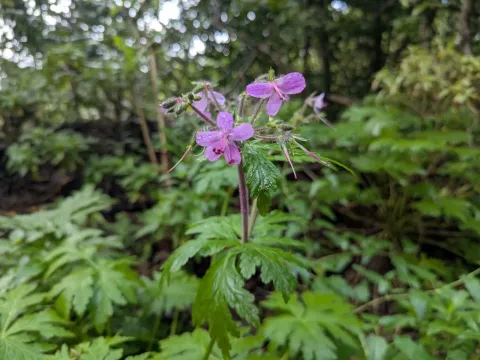
Reuter's Geranium
Geranium reuteri
Reuter's Geranium (Geranium reuteri) is a perennial herbaceous plant belonging to the Geraniaceae family. In agricultural and horticultural practice, seeds are typically sown in autumn for natural stratification during the winter season.
What the section contains
Reuter's Geranium
When sowing in spring, seeds require preparation: soaking or exposure to low temperatures for 30–45 days to increase germination rates. The optimal sowing depth is 0.5–1 cm in a light, well-draining substrate.
Propagation of the crop is also possible vegetatively by dividing the rhizome in spring or late summer. This method preserves the varietal traits of the parent plant and ensures faster development of healthy specimens.
Transplanting seedlings into open ground is performed after the danger of frost has passed, maintaining a spacing of 30–40 cm between plants to ensure proper bush ventilation.
The crop exhibits good germination vigor at soil temperatures between +15 and +20 degrees Celsius, but it requires consistent moderate moisture during the active growth phase of the seedlings.
To successfully cultivate Reuter's Geranium, it is necessary to select areas with good illumination or light partial shade, as excessive shade leads to stem etiolation and reduced flowering intensity.
The crop prefers loose, fertile soils with a neutral or slightly acidic pH. Providing adequate drainage is crucial, as water stagnation in the root zone is detrimental to the plant.
Reuter's Geranium demonstrates high winter hardiness and an ability to adapt to temperate climates, though during dry spells, it requires regular watering at the base, avoiding overhead irrigation on the flowers.
Agronomic maintenance involves the periodic application of complex mineral fertilizers, especially during the budding stage, which stimulates prolonged and abundant flowering.
In autumn, sanitary pruning of the aerial part is conducted, which helps the crop prepare for winter and reduces the risk of pests overwintering in plant debris.
Reuter's Geranium is resistant to most common diseases; however, if moisture regimes are neglected, it is susceptible to fungal infections such as powdery mildew or root rot.
Among pests, the greatest threat to young plants comes from slugs and snails, which damage leaf blades under conditions of high soil humidity.
During hot periods with insufficient watering, the plant may be infested by aphids or spider mites, requiring timely inspection and the application of appropriate insecticides.
- Regular soil cultivation to prevent surface crusting.
- Weed control to maintain clean planting areas.
- Deadheading spent flowers to encourage recurrent blooming.
To prevent the spread of infections, it is recommended to maintain optimal planting density and avoid overcrowding, which impairs air circulation around the plants.