
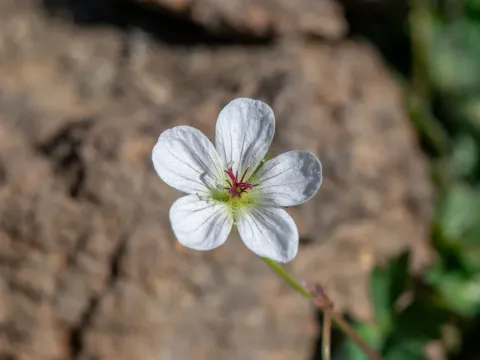
Richardson's geranium
Geranium richardsonii
Richardson's geranium is typically propagated through seeds or division of the root system. Sowing seeds directly into the soil in autumn is recommended, as natural cold stratification improves germination rates in the spring.
What the section contains
Richardson's geranium
When spring sowing is required, seeds must be scarified and stratified in a refrigerated environment for at least four weeks. Surface sowing is advised since seeds need light to initiate the germination process properly.
Division of established clumps should be performed early in the spring or late in the summer after flowering ceases. This technique ensures that plants have enough time to establish themselves before the onset of extreme weather.
Spacing is a critical factor for the health of the culture, with a recommended distance of 30–40 cm between individual plants. Proper spacing prevents the crowding that often leads to moisture-related diseases.
Young plants require consistent monitoring of soil moisture during the first few weeks after transplantation. Once the root system is fully established, the plants become quite resilient to moderate changes in their environment.
Richardson's geranium, a member of the Geraniaceae family, is native to the western regions of North America. It thrives in cool, temperate climates and is well-adapted to mountainous meadow conditions.
This species prefers well-drained, fertile soil with a neutral or slightly acidic pH level. Heavy clay soils should be amended with organic matter to improve aeration and moisture regulation, as the roots dislike being waterlogged.
The plant is highly hardy and capable of surviving in various climate zones. It can tolerate significant cold, making it a reliable perennial choice for gardens in regions with severe winters.
While Richardson's geranium performs well in full sun, it also tolerates partial shade exceptionally well. In hotter climates, partial shade is highly recommended to protect the foliage from midday heat damage.
Routine fertilizing with a balanced, slow-release fertilizer in the spring helps support healthy growth. Avoiding excessive nitrogen is important, as it promotes leafy growth at the expense of floral development.
Powdery mildew is a common fungal threat, especially in humid environments with poor air circulation. Proper spacing and avoiding overhead watering are the primary methods for managing this infection.
Root rot occurs primarily due to poor drainage or excessive soil moisture levels. Ensuring the soil is light and airy is the best preventative measure against soil-borne pathogens that target the root crown.
Aphids and spider mites are occasional pests that can affect plant vitality. Early detection through regular inspections allows for the use of soft soaps or biological controls to keep populations under control.
Leaf spot diseases can occur if the foliage remains wet for extended periods. Pruning affected leaves and maintaining a clean planting site significantly reduces the risk of further infection throughout the season.
Gastropods, such as slugs and snails, may target young stems and leaves during cool, damp spring weather. Implementing physical barriers or safe traps can help protect the aesthetic appearance of the plant.