
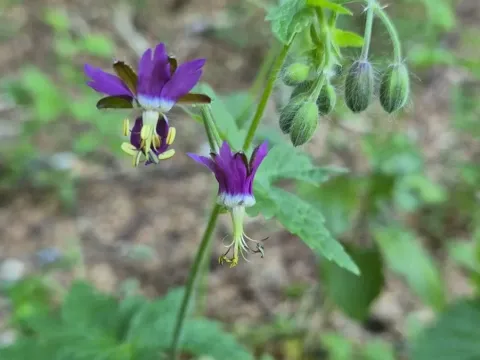
Reflexed cranesbill
Geranium reflexum
Reflexed cranesbill, a member of the Geraniaceae family, is typically propagated through seeds or plant division. Sowing seeds directly into the open ground is recommended for late autumn or early spring once the soil thaws.
What the section contains
Reflexed cranesbill
For container-based propagation, seeds should be sown in March using a well-aerated, light substrate. A sowing depth of about 0.5 centimeters is optimal for successful germination in a controlled indoor environment.
Seedlings usually emerge within two to three weeks, at which point they should be pricked out. Transplanting into their permanent location occurs in late May to ensure the plants establish well before the heat of summer.
Vegetative propagation via division is most effective when performed in early autumn. This timing allows the root system to recover and settle before the plant enters its period of winter dormancy.
When planning your layout, maintain a spacing of 30 to 40 centimeters between individual plants. This spatial arrangement ensures adequate airflow and prevents competition for essential soil nutrients.
This species thrives in locations with dappled light or partial shade. While it adapts to various conditions, intense midday sun may sometimes scorch the leaves if water levels are insufficient.
The culture requires well-drained, fertile soil that maintains moisture without becoming waterlogged. Neutral or slightly acidic soil pH is ideal for promoting healthy development and vibrant flowering.
Geranium reflexum exhibits excellent hardiness, making it a reliable perennial in temperate zones. In colder regions with little snow, applying a mulch layer of organic matter is recommended for root protection.
Regular irrigation is vital during the peak growing season to maintain soil moisture levels. Although mature plants are moderately drought-tolerant, consistent watering ensures higher decorative performance.
Applying a balanced mineral fertilizer in early spring boosts early-season growth. An annual application of compost during autumn helps maintain long-term soil structure and provides necessary winter nutrition.
The most common disease affecting this plant is powdery mildew, particularly in environments with high humidity or poor air circulation. It appears as a white, dusty layer on the foliage.
Root rot represents a significant risk if the soil becomes compacted or overly saturated. Proper drainage and adhering to a strict watering schedule are the best defenses against these fungal issues.
Pests such as aphids and spider mites may occasionally infest the plants, especially during hot and dry spells. These pests damage plant tissues, leading to reduced vigor and aesthetic decline.
Effective management includes regular monitoring and the use of insecticidal soap or specialized organic treatments when needed. Maintaining hygiene by removing dead plant debris also reduces pest habitats.
Preventative fungicide treatments can be applied if environmental conditions are conducive to fungal growth. Following good agronomic practices significantly minimizes the need for chemical intervention.