
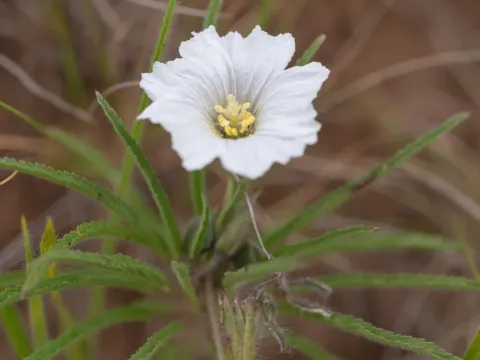
Monsonia
Monsonia
Monsonia is a genus of plants belonging to the Geraniaceae family, known for its adaptation to arid and semi-arid environments. These plants are scientifically recognized for their ability to thrive in challenging soil conditions where other traditional crops fail to establish.
What the section contains
 Monsonia angustifolia
Monsonia brevirostrata
Monsonia brevirostrata
Monsonia angustifolia
Monsonia angustifolia
Monsonia brevirostrata
Monsonia brevirostrata
 Monsonia burkeana
Monsonia burkeana
Monsonia burkeana
 Monsonia camdeboensis
Monsonia camdeboensis
Monsonia camdeboensis
 Monsonia crassicaulis
Monsonia crassicaulis
Monsonia crassicaulis
 Monsonia glauca
Monsonia glauca
Monsonia glauca
 Monsonia heliotropioides
Monsonia heliotropioides
Monsonia heliotropioides
 Monsonia herrei
Monsonia herrei
Monsonia herrei
 Monsonia multifida
Monsonia multifida
Monsonia multifida
 Monsonia nivea
Monsonia nivea
Monsonia nivea
 Monsonia patersonii
Monsonia patersonii
Monsonia patersonii
 Monsonia senegalensis
Monsonia senegalensis
Monsonia senegalensis
 Monsonia vanderietiae
Monsonia vanderietiae
Monsonia vanderietiae
Monsonia
Originating primarily from Southern Africa, Monsonia species have evolved specialized root systems and water-storing tissues. Their native range includes diverse habitats such as rocky plains and desert scrub, which informs their specific cultivation requirements today.
The botanical structure of Monsonia includes glandular hairs on the leaves and stems, which act as a physical barrier against water loss and herbivory. Their reproductive strategy involves a unique seed dispersal mechanism, where the awns coil to burrow seeds into the soil.
Cultivation requires exceptionally well-draining, sandy, or gritty soil substrates with a neutral to slightly acidic pH. The primary agrotechnical goal is to prevent root rot, which is the most frequent failure point in the management of this crop under controlled conditions.
Sunlight requirements are high, as the plant demands full sun exposure to maintain its physiological balance and compact growth habit. In protected cropping systems, it is essential to ensure that light intensity levels remain constant to avoid stress and leggy growth.
Pathogenic fungi pose the most significant threat to Monsonia, particularly when humidity levels exceed the threshold for this desert-adapted plant. Root and crown rots are the most common diseases, often triggered by excessive irrigation or poor drainage in the growing medium.
Pests such as spider mites and mealybugs can cause significant damage in greenhouse settings. These insects target the sap, causing chlorosis and weakening the overall vitality of the plant, which may lead to subsequent colonization by saprophytic organisms.
Integrated pest management is highly recommended, focusing on maintaining dry foliage and adequate spacing between individual plants to promote airflow. Improving the environment is usually more effective than relying on chemical intervention, which may cause phytotoxicity.
Sanitation practices, including the removal of dead or dying tissue, are crucial for preventing the buildup of fungal spores. Keeping the cultivation area clean and dry helps in maintaining a balanced ecosystem that resists major pest outbreaks and fungal infections.
Monitoring the plant health involves regular inspections of the root zone and underside of leaves. Early detection of pests allows for localized treatments, which minimize the need for broad-spectrum pesticides that could negatively impact the plant’s growth cycle.