
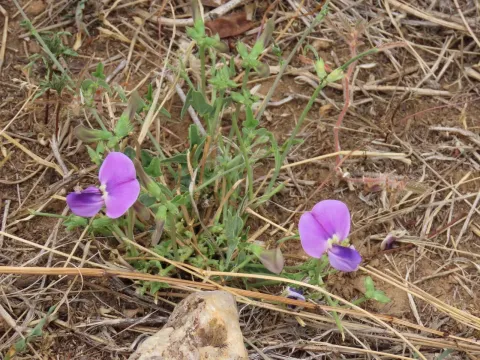
Vigna frutescens
Vigna frutescens
Vigna frutescens belongs to the Fabaceae family and is a heat-loving annual crop. Optimal sowing times begin when the soil warms up to 15–18°C, which usually corresponds to the late spring period.
What the section contains
Vigna frutescens
Seeds are sown at a depth of 3–5 cm, depending on the soil texture. Row spacing should be approximately 45–60 cm to ensure proper ventilation and ease of maintenance.
To speed up germination, pre-soaking seeds in growth stimulants is recommended. The crop is extremely sensitive to late spring frosts, so planting too early often results in the loss of young plants.
In greenhouse conditions, sowing times can be adjusted earlier if soil heating systems are used. The recommended planting density is about 15–20 plants per square meter.
Choosing the right planting time allows the plant to develop a strong root system before peak summer temperatures, which is critical for achieving a high yield.
Vigna frutescens prefers light, well-drained, fertile soils with a neutral or slightly acidic pH. On heavy clay soils, incorporating sand and organic matter is necessary to improve soil structure.
While the crop is remarkably drought-tolerant, it requires regular watering during the flowering and active fruiting phases to produce high-quality bean pods. Excessive soil moisture can lead to root rot.
The plant shows maximum productivity in long daylight conditions and temperatures ranging from 25–30°C. If temperatures drop below 15°C, plant development essentially halts.
Agricultural management includes regular inter-row cultivation to control weeds and ensure root aeration. The crop responds well to phosphorus-potassium fertilizers, which stimulate flowering.
Because Vigna can fix nitrogen from the air through symbiosis with nodule bacteria, the need for nitrogen fertilization is minimal, making it an environmentally friendly crop.
The yield of Vigna frutescens depends directly on adherence to agronomic standards and regional climate conditions. On average, 5 to 12 tons of green beans can be harvested per hectare.
Fruiting is extended over time, allowing for multiple harvests as the pods reach the milk stage of maturity. Abundant flowering typically begins 40–50 days after emergence.
Yield indicators increase significantly with the use of drip irrigation, which minimizes plant stress during summer droughts. Proper application of micronutrients increases the number of pods per node.
For seed production, the yield of marketable beans decreases as the plant diverts energy to maturing the seeds. High-quality seeds maintain viability for 3–5 years if stored correctly.
Selected varieties show higher yields, reaching up to 15 tons under intensive cultivation. The average weight of one pod ranges from 10 to 25 grams, depending on the variety.
The main threats to the crop are fungal diseases such as anthracnose and powdery mildew. To prevent these, it is essential to follow crop rotation practices and avoid planting on the same site more frequently than every three years.
Among pests, aphids and spider mites cause the most damage, reproducing rapidly in hot and dry summer conditions. Timely use of biological insecticides helps keep their populations under control.
Seeds and seedlings are often damaged by wireworms, so pre-sowing soil treatment with systemic insecticides is a standard protective measure.
Bacteriosis can affect leaves and pods, appearing as brown spots with yellow halos. The disease spreads via water droplets, so irrigation should be applied to the base of the plant to avoid overhead sprinkling.
- Regular inspection of plants at early stages.
- Removal of plant residues in the autumn.
- Use of virus-resistant varieties.
Harvesting Vigna frutescens is done selectively, starting when the pods reach technical maturity. They should be juicy, firm, and free of a pronounced parchment layer.
For fresh consumption, pods are harvested every 3–5 days. Delaying harvest leads to the pods becoming fibrous and losing flavor, rendering the produce unsuitable for sale.
When harvesting for grain, wait until the pods have turned yellow and dried on the bush. It is important to harvest before autumn rains to prevent mold and germination of seeds inside the pods.
Harvested beans cannot be stored for long at room temperature, so they must be cooled or processed within 24 hours of collection.
For long-term storage, the grain should be thoroughly dried to a moisture content of 12–14%. Store seeds in cool, dry areas with good ventilation to protect against stored-product pests.