
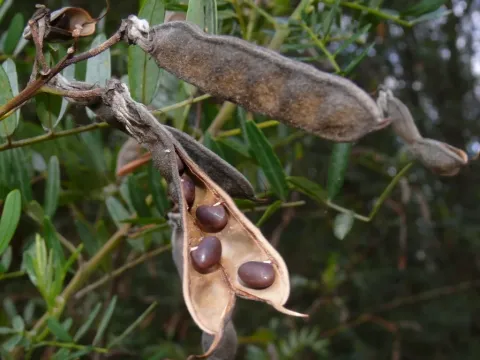
Virgilia
Virgilia
Virgilia is a genus of evergreen trees belonging to the Fabaceae family. In their natural habitat, these plants are primarily found in South Africa, thriving in mild and moderately humid climatic conditions.
What the section contains

Virgilia
The culture is characterized by rapid growth and attractive flowering, making it highly popular in landscape design for regions with warm winters. The plant prefers sunny locations with good light access to promote the development of a dense, healthy canopy.
Optimal soil conditions for Virgilia consist of well-drained, fertile loams with a neutral to slightly acidic pH. It is essential to maintain sufficient soil moisture levels while strictly avoiding waterlogging, which can easily trigger root rot.
The crop has low frost tolerance and requires protection when temperatures drop below freezing. In open ground, cultivation is feasible only in subtropical zones, whereas in colder regions, container gardening is the recommended practice.
Agrotechnical management includes regular irrigation during the active growth period and fertilization with organic or low-phosphorus mineral fertilizers, as legumes are capable of fixing atmospheric nitrogen through symbiosis.
The main threats to Virgilia are associated with fungal diseases, which typically occur due to overwatering and poor air circulation within the tree canopy. Root rots represent the most significant risk as they are often difficult to detect early.
Pests, such as aphids and scale insects, can attack young shoots and foliage. To manage pest populations, it is recommended to apply systemic insecticides or utilize integrated biological control measures.
Monitoring the bark condition is vital, as any mechanical damage can act as an entry point for opportunistic pathogens. Preventive sanitary pruning is necessary to maintain the overall health and structural integrity of the tree.
Improper humidity management frequently causes leaf drop, which suppresses the plant's natural immune system against potential infections. Proper spacing during planting is critical to preventing the spread of diseases between individual trees.
Constant inspection of the foliage helps detect spider mite infestations, which are particularly common during hot and dry spells throughout the growing season.