
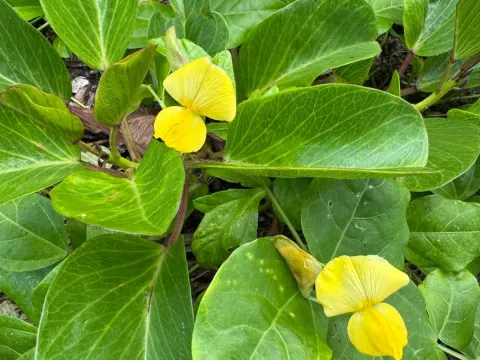
Vigna
Vigna
Vigna is a thermophilic culture, so planting should only begin once the soil at a depth of 10 centimeters has warmed to +15...+18°C. In most temperate regions, this usually corresponds to late May or early June.
What the section contains
 Blue vigna
Vigna caerulea
Blue vigna
Vigna caerulea
 Narrow-leaf vigna
Vigna angustifoliolata
Vigna ambacensis
Vigna ambacensis
Narrow-leaf vigna
Vigna angustifoliolata
Vigna ambacensis
Vigna ambacensis
 Vigna caracalla
Vigna clarkei
Vigna clarkei
Vigna filicaulis
Vigna filicaulis
Vigna caracalla
Vigna caracalla
Vigna clarkei
Vigna clarkei
Vigna filicaulis
Vigna filicaulis
 Vigna glabrescens
Vigna glabrescens
Vigna glabrescens
 Vigna hosei
Vigna hosei
Vigna hosei
 Vigna juruana
Vigna juruana
Vigna juruana
 Vigna kirkii
Vigna kirkii
Vigna kirkii
 Vigna lanceolata
Vigna lanceolata
Vigna lanceolata
 Vigna lancifolia
Vigna lancifolia
Vigna lancifolia
 Vigna membranacea
Vigna membranacea
Vigna membranacea
 Vigna oblongifolia
Vigna oblongifolia
Vigna oblongifolia
 Vigna parkeri
Vigna parvifolia
Vigna parvifolia
Vigna pilosa
Vigna pilosa
Vigna pubescens
Vigna pubescens
Vigna racemosa
Vigna racemosa
Vigna parkeri
Vigna parkeri
Vigna parvifolia
Vigna parvifolia
Vigna pilosa
Vigna pilosa
Vigna pubescens
Vigna pubescens
Vigna racemosa
Vigna racemosa
 Vigna reticulata
Vigna schimperi
Vigna schimperi
Vigna reticulata
Vigna reticulata
Vigna schimperi
Vigna schimperi
 Vigna vexillata
Vigna wilmsii
Vigna wilmsii
Vigna vexillata
Vigna vexillata
Vigna wilmsii
Vigna wilmsii
Vigna
To speed up harvest, many farmers use the seedling method, planting seeds in peat pots 30 days before the intended transplant date into open ground. This allows the plant to adapt more quickly to external environmental conditions.
The planting pattern depends on the variety: bush forms are spaced 20-30 centimeters apart, while climbing varieties require trellises and a distance of up to 50 centimeters to ensure proper ventilation.
Seed planting depth ranges from 3 to 5 centimeters, depending on the soil texture. In light sandy soils, seeds are planted slightly deeper to ensure they have enough moisture for germination.
Adhering to planting schedules is critical, as late spring frosts or prolonged cold snaps can lead to the death of seedlings or delayed development, significantly reducing overall crop yields.
Vigna belongs to the Leguminosae family and is an annual herbaceous plant. The crop is highly demanding regarding heat: at temperatures below +10°C, growth practically stops, and frost is destructive to the vegetative mass.
The best soils for Vigna are light loams or sandy soils with a neutral or slightly acidic reaction. The plant does not tolerate heavy clay soils with waterlogging, as the root system requires excellent aeration.
Light levels play a key role in crop development. Vigna requires sunny plots protected from cold northern winds. In the shade, plants become leggy, and pod setting drops significantly.
Soil moisture should be moderate. While the crop is drought-tolerant, it strictly requires regular watering during the flowering and active pod-filling stages to prevent mass shedding of blossoms.
Good agricultural practices include timely cultivation between rows and weed control, especially during the initial growth phase. Vigna responds well to phosphorus-potassium fertilizers, which stimulate fruiting and strengthen plant immunity.
The yield of Vigna directly depends on varietal characteristics and the intensity of care. With proper agronomic standards, one can harvest 1 to 3 kilograms of marketable pods per square meter of land.
Vegetable Vigna varieties are characterized by high growth energy, allowing for multiple harvests. Timely picking of young pods stimulates the plant to produce new blooms, significantly extending the fruiting period.
Grain Vigna varieties produce less green mass but provide nutritious, protein-rich seeds. Grain yield averages 1.5-2.5 tons per hectare, provided that crop rotation is strictly followed.
An important factor for increasing yields is the presence of nitrogen-fixing bacteria on the roots. Proper seed inoculation before planting allows the plant to efficiently assimilate atmospheric nitrogen.
In industrial settings, yield potential is maximized by using F1 hybrids, which possess increased stress resistance and provide more uniform ripening across the field.
Common Vigna diseases include powdery mildew, which affects leaves under high humidity and temperature fluctuations, leading to premature drying of the foliage.
Bacterial blight and fusarium wilt pose a serious threat if crop rotation rules are violated. Pathogens can persist in the soil for a long time, so planting on the same site should not be repeated for at least 3-4 years.
Among pests, aphids cause the most damage by sucking juices from young shoots and buds, leading to deformation. Spider mites also pose a threat during hot, dry periods.
The bean seed fly often damages seeds and seedlings, especially when planted in cold or waterlogged soil. Seed treatment (dressing) is an effective preventive method against this pest.
To control diseases, it is recommended to use systemic fungicides, while insecticides with short waiting periods should be used against pests to ensure the production of safe, consumable vegetables.
Harvesting vegetable Vigna is conducted at the technical maturity stage, when the pods reach the size characteristic of the variety, but the seeds inside are not yet fully formed and remain tender.
Pods are harvested multiple times as they ripen. The interval between harvests is usually 3-5 days, which helps maintain the quality of the produce and prevents the pods from overgrowing and becoming fibrous.
When harvesting grain varieties, wait for the pods to turn fully yellow and dry. At this point, the plants become brittle, and the seeds acquire a characteristic shine and hardness, indicating they are ready for storage.
It is important to avoid mechanical damage to the pods during harvest, as even minor wounds become entry points for infection. Collected crops should be stored in a dry, ventilated area away from direct light.
Timely harvest is the key to high-quality produce. Overripe pods become tough, lose their culinary properties, and may become a source for disease spread throughout the field.