
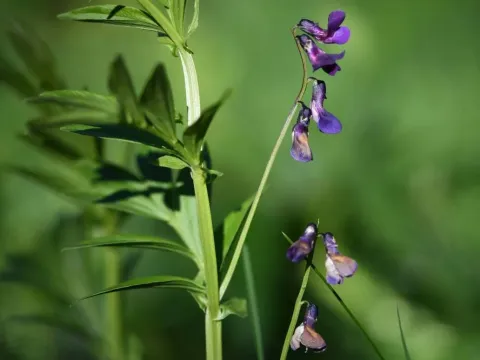
Vivanti Vetch
Lathyrus vivantii
The sowing of Vivanti Vetch is typically carried out in early spring, as soon as the soil is physically ready for field operations. The optimal soil temperature for seed germination for this crop is about 5 to 8 degrees Celsius.
What the section contains
Vivanti Vetch
The crop is characterized by high cold resistance during the initial stages of development, which allows it to easily withstand late spring frosts. Seeds are sown in rows with a spacing of 15–20 cm to ensure the optimal feeding area for each plant.
The seeding depth depends on the soil type and ranges from 3 to 5 cm, with deeper sowing allowed in lighter soils. An important condition is the uniform distribution of seeds to form a dense canopy capable of suppressing weed growth.
The seeding rate is calculated based on the intended purpose of the crops and averages 1.5 to 2.5 million viable seeds per hectare. Excessive density can lead to lodging, so the planting density is carefully controlled.
To improve uniform emergence, it is recommended to treat the seeds with growth stimulants or inoculate them with specific strains of nodule bacteria before sowing. This promotes better nitrogen fixation from the atmosphere.
Vivanti Vetch belongs to the Fabaceae family and shows high adaptability to temperate climates. It prefers well-drained, fertile soils, although it can produce satisfactory results in less fertile soils with sufficient moisture.
The plant is light-loving, so for high yields of vegetative mass or seeds, it is necessary to choose well-lit areas of the field. Shading can negatively affect the intensity of photosynthesis and growth rates.
Moisture requirements increase during the flowering and pod formation periods. Although vetch is considered a drought-resistant crop, a sudden lack of moisture during critical development phases can lead to flower drop and reduced productivity.
The optimal pH level for this crop is in the slightly acidic to neutral range. Liming is required in acidic soils because high acidity inhibits root system development and the activity of nitrogen-fixing bacteria.
Agrotechnical practices include timely weed control, especially in the first half of the growing season before the rows close. Pest protection is also an important factor, as many insects can damage the delicate foliage.
The yield of Vivanti Vetch depends on compliance with cultivation technology and the climatic conditions of the specific season. Using intensive technologies can achieve significant indicators of green mass productivity.
Average seed yield ranges from 1.5 to 2.5 tons per hectare, making the crop economically attractive. The biological potential of the species allows it to exceed these average values under ideal conditions.
Total fodder mass harvest varies depending on the timing of mowing and overall soil fertility. Early mowing provides more nutritious mass but slightly reduces the total volume of the harvested crop.
Yield stability largely depends on phosphorus-potassium nutrition levels. The application of mineral fertilizers in optimal doses stimulates pod development and increases the thousand-seed weight, which positively impacts the final result.
Regular monitoring of crop health allows for timely adjustments in care, ensuring stable accumulation of organic matter by the plants throughout the entire growth period.
The main pests of Vivanti Vetch are representatives of the weevil family, which can damage both seedlings and reproductive organs. Fields must be inspected regularly to detect outbreaks early.
Among fungal diseases, the most dangerous are root rots and various types of leaf spots, which develop in conditions of high humidity. Crop rotation is the best preventive measure for spreading infections.
Aphid infestations can lead not only to direct crop loss but also to the spread of viral diseases. Chemical control methods are used only when the economic threshold of damage is exceeded.
It is important to monitor planting density, as excessive density creates a microclimate that promotes pathogen development. Aeration of crops through quality agrotechnical management significantly reduces the risk of mass infestation.
The use of resistant varieties and high-quality seed material is the foundation of crop protection. When necessary, fungicides and insecticides are applied in accordance with agricultural regulations.
Seed harvesting is performed at the stage of full pod maturity, when they reach the characteristic color and variety-specific hardness. It is important to avoid over-ripening, as some forms may be prone to pod shattering.
To reduce losses during threshing, it is recommended to harvest during the early morning or evening hours, when air humidity is higher. This helps decrease the number of mechanically damaged seeds as they pass through the threshing apparatus.
When using direct combining, pre-harvest desiccation is often applied. This allows for uniform plant maturation and reduces the moisture of the green mass, facilitating the threshing process.
After harvesting, seeds must be cleaned and dried to the standard moisture content. Long-term storage of seeds with high moisture content leads to spoilage and loss of germination in future seasons.
If the crop is grown for green fodder or hay, harvesting is carried out during the flowering phase, before the formation of coarse fibers. This ensures maximum protein content and digestibility for livestock.