
Virgilia oroboides
Virgilia oroboides
Description
Growing requirements
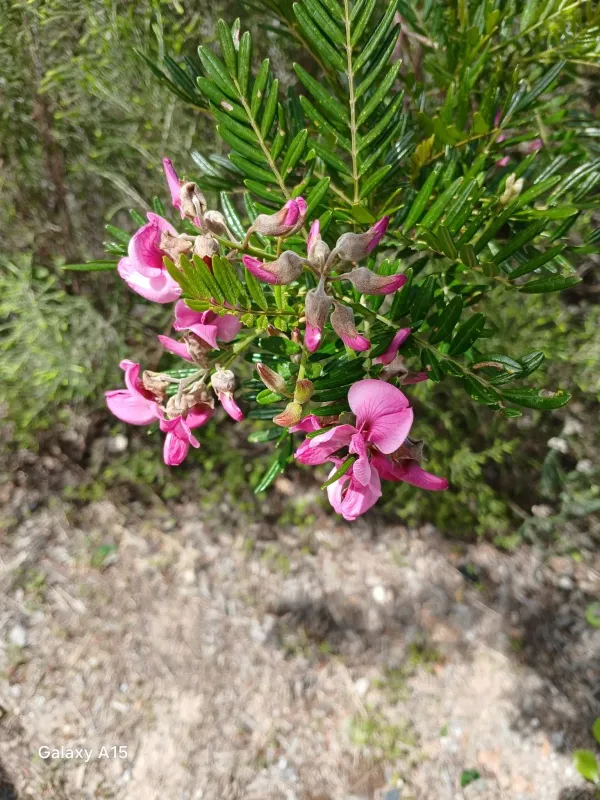
Virgilia oroboides, commonly known as the Cape blossom tree, is a fast-growing evergreen member of the Fabaceae family. Native to the coastal regions of South Africa, it is highly valued for its elegant habit and vibrant, fragrant flowers.
The species thrives in well-drained, slightly acidic soils rich in organic matter. It prefers temperate climates and requires a sunny position to ensure robust growth and prolific flowering throughout the season.
In terms of agricultural management, Virgilia requires minimal soil fertilization because it naturally associates with nitrogen-fixing bacteria. Regular watering is essential during the establishment phase, especially in regions with distinct dry seasons.
The tree is relatively sensitive to severe frost, which restricts its use to mild climatic zones. It is typically utilized as a rapid-growing ornamental tree for landscapes, parks, and large gardens where its year-round foliage provides structure.
Beyond its aesthetic function, the tree provides high-quality timber that is sometimes used for furniture and tool handles. It is also an excellent nectar source for birds and bees, contributing to local biodiversity.
Main diseases and pests
Root rot caused by poor soil drainage represents the primary threat to the longevity of Virgilia trees. Growers must ensure that planting sites have adequate permeability to prevent waterlogging during rainy periods.
Aphids and scale insects are common pests that may infest tender young growth. Integrated pest management strategies, including the use of horticultural oils, are effective in maintaining tree vigor.
Powdery mildew can occur if the canopy density becomes too thick, preventing sufficient airflow. Pruning the inner branches regularly is recommended to maintain a healthy, well-ventilated crown structure.
Specific seed-boring insects may damage the developing seed pods, affecting natural propagation. Monitoring during the fruiting phase helps in applying timely protection when necessary.
Overall, Virgilia oroboides is considered a resilient and rewarding tree for suitable climates, provided that basic site selection and sanitation standards are followed by the grower.